
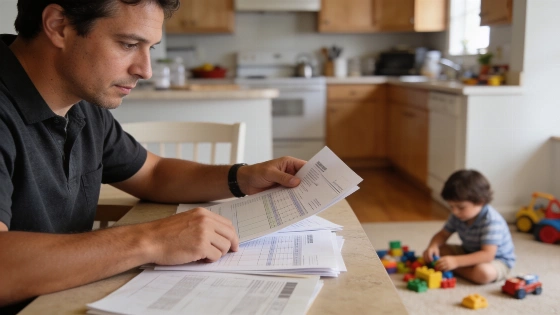
Parents face higher odds of unexpected expenses, from medical bills to childcare gaps. Learn how to size your emergency fund, what costs to consider, and practical strategies to build savings even on a tight budget
For parents, the risk of a financial emergency is not just theoretical-it's a practical reality shaped by the unpredictability of family life. Whether it's a sudden medical bill, a car repair, or an unexpected need for paid childcare, families often face expenses that can't be postponed. Building an emergency fund is a key step in protecting your household from these shocks, but deciding how much to save and how to reach that goal requires a careful look at your family's unique risks and resources.
While the classic advice is to save three to six months' worth of living expenses, this rule of thumb may not fit every family. The right target depends on your income stability, household size, insurance coverage, and the range of emergencies you might realistically face. According to reporting by Investopedia, parents should weigh these factors carefully to avoid being caught short when the unexpected happens.
Why Family Size Raises the Stakes
Households with children face a broader set of financial risks than singles or couples without kids. Even healthy children can generate surprise costs, from emergency room visits to last-minute childcare if a parent falls ill or needs to care for another family member. Health insurance may cover much of a medical bill, but deductibles and copays can add up quickly. For parents who freelance or have limited paid leave, missing work to handle a family emergency can also mean lost income.
Emergencies rarely happen in isolation. It's not uncommon for families to face overlapping crises-such as a child's illness coinciding with a home repair-compounding the financial strain. Parents should also consider less obvious expenses, like veterinary bills for pets or unplanned school-related costs, which can disrupt even a well-planned budget. These aren't always emergencies in the strictest sense, but they still require cash on hand.
How Much Is Enough?
The three-to-six-month guideline for emergency savings is a starting point, not a universal answer. Some families may find two months' expenses sufficient, while others need a larger cushion. Key factors to consider include the number of income earners in your household, the predictability of your income, job security, the terms of your health insurance, and whether you have access to backup childcare or other support. Assets that can be quickly liquidated-such as stocks or mutual funds-can supplement your cash reserve, but market volatility may affect their value when you need them most.
According to the Federal Reserve's 2023 Economic Well-Being of U.S. Households report, only 55% of adults said they could cover three months of expenses with their emergency savings. This highlights the challenge many families face in reaching even the lower end of the recommended range. Parents should also consider life insurance needs, as the loss of either parent-regardless of employment status-can create significant new expenses for the surviving family members.
Building and Maintaining Your Fund
For most families, accumulating a sizable emergency fund is a gradual process. Setting incremental goals-such as saving one-third of your target amount each year-can make the task more manageable. Automating transfers from each paycheck into a dedicated savings or money market account helps ensure steady progress. When you receive windfalls like tax refunds or work bonuses, consider directing a portion to your emergency fund. As your income rises or childcare costs decrease, increase your contributions to keep pace with your evolving needs.
Where you keep your emergency savings matters. Accounts that offer quick access and stable value-such as high-yield savings accounts or money market funds-are generally preferred. Avoid tying up emergency funds in investments that could lose value or be difficult to sell in a downturn. The goal is to have cash available when you need it, without risking losses or delays.
Emergency Funds and Broader Financial Health
Maintaining an emergency fund does more than shield you from immediate crises. It helps prevent the need to tap retirement accounts or college savings plans, which can trigger taxes, penalties, or derail long-term goals. It also reduces reliance on high-interest debt, such as credit cards or personal loans, which can quickly compound financial stress and damage your credit score.
Emergency savings are a core component of household financial resilience. They provide a buffer that allows families to weather setbacks without sacrificing future security. While the right amount will vary, the discipline of regular saving and replenishing your fund after withdrawals is essential for long-term stability.
Emergency funds are distinct from other types of savings because their primary purpose is liquidity-having cash available at short notice. Unlike retirement or investment accounts, which are designed for growth over time, emergency funds should prioritize safety and accessibility. This distinction is crucial: using retirement savings for emergencies can undermine your future, while relying on credit can create new financial burdens. By keeping your emergency fund separate and regularly reviewing your needs, you can better protect your family from the unpredictable costs of everyday life.