
A Category 5 dust storm hit Phoenix, bringing hazardous air quality and raising concerns for public health, insurance claims, and potential economic disruption as cleanup and healthcare costs mount across the Valley
Phoenix residents are dealing with the aftermath of a Category 5 dust storm, the highest rating on the PHX Dust Storm Scale, which swept through the Valley on Monday night. According to reporting by AZFamily, this rare event left the city under a cloud of unhealthy air well into Tuesday evening, prompting warnings for vulnerable groups and raising questions about the financial impact on households and local businesses.
The PHX Dust Storm Scale, developed by an Arizona State University research team, measures the concentration of airborne dust particles during storms. Category 5 events are uncommon, with only five recorded in the past 15 years. The scale is designed to help public health officials and residents understand the severity of dust exposure, which can have significant health and economic consequences. During a Category 5 storm, the density of dust particles in the air is estimated to be more than a million per hour for anyone outdoors, compared to about 250,000 in a Category 1 event.
Health and Financial Risks
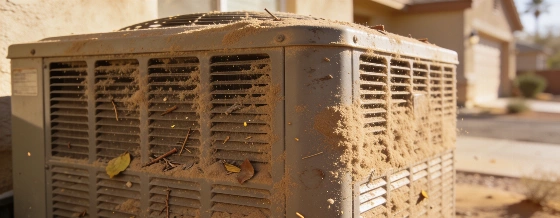
For residents with respiratory or heart conditions, as well as young children, older adults, and those with compromised immune systems, exposure to high levels of dust can trigger serious health issues. Emergency room visits often spike after severe dust storms, leading to increased healthcare costs for families and insurers. The financial burden can extend beyond medical bills, as dust infiltration may damage HVAC systems, electronics, and vehicles, resulting in higher maintenance and insurance claims.
Businesses in the region also face operational disruptions. Poor air quality can force temporary closures, reduce productivity, and increase cleaning expenses. For homeowners and renters, insurance policies may cover some storm-related damages, but coverage varies and deductibles can be significant. Those without adequate protection may face out-of-pocket costs for repairs and air filtration upgrades.
Tracking and Response
Arizona State University has launched a dust storm dashboard that allows residents to monitor storm intensity and track which neighborhoods are most affected. This tool aims to help individuals and businesses make informed decisions about outdoor activities, building maintenance, and insurance needs. Local authorities recommend staying indoors during high-category events, using air purifiers, and checking HVAC filters regularly to minimize health risks and property damage.
According to the Arizona Department of Environmental Quality, air quality in Phoenix frequently exceeds federal standards for particulate matter during major dust storms. In 2025, the city recorded 12 days with PM10 levels above the EPA's 24-hour standard of 150 micrograms per cubic meter, highlighting the ongoing challenge of managing air pollution in the region.
Dust storms, also known as haboobs, are a recurring hazard in the Southwest, driven by strong winds that lift fine particles from dry soil. The financial impact of these storms can be substantial, especially when they reach Category 5 intensity. For households, the cost of replacing air filters, cleaning ducts, and repairing electronics can add up quickly. Businesses may need to invest in additional air filtration systems or adjust work schedules to protect employees. Insurance companies may see a spike in claims for property and vehicle damage, which can influence future premiums and policy terms. Understanding the risks and preparing in advance can help mitigate both health and financial consequences when severe dust storms strike.