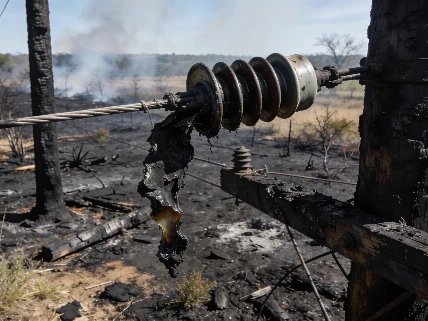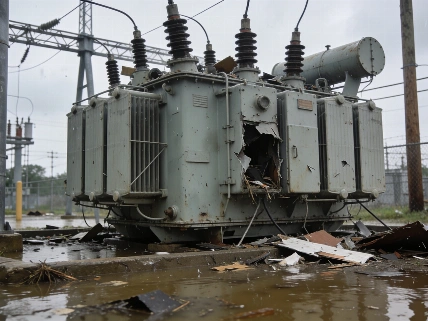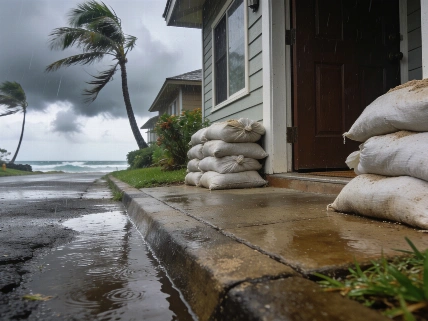
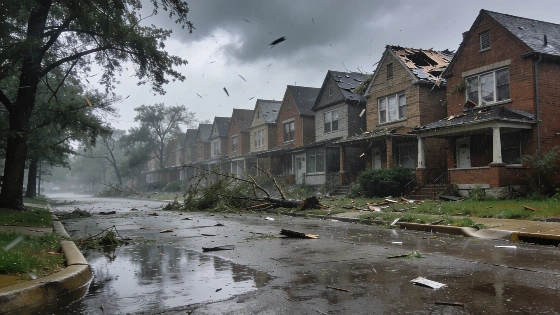
Tornado warnings and severe thunderstorms forced ground stops at Chicago's major airports, causing hundreds of flight cancellations and delays as insurers and residents brace for costly wind and flood damage
Severe weather swept through the Chicago area Tuesday, triggering tornado warnings, flash flood alerts, and widespread travel disruptions. As storms intensified, authorities issued multiple tornado warnings for counties across Illinois and northwest Indiana, including Cook, DuPage, Lake, Porter, Grundy, Kankakee, Kendall, and Will. Office workers in downtown Chicago were advised to seek shelter as the threat of destructive winds and tornadoes grew during the late morning hours.
Air travel was hit hard, with both O'Hare and Midway airports placed under ground stops until at least 11:30 a.m. According to reporting by ABC7 Chicago, O'Hare saw approximately 200 flight cancellations by 11 a.m., and both airports experienced delays averaging about an hour. The ripple effects of these disruptions are likely to impact connecting flights and travel plans nationwide, as Chicago serves as a major hub for domestic and international air traffic.
Severe Thunderstorm Watches and Warnings remained in effect for much of the region, with the National Weather Service cautioning that wind gusts could reach up to 80 miles per hour. Flash Flood Warnings and Flood Advisories were also issued for several counties, raising concerns about property damage, power outages, and hazardous driving conditions. The risk of flash flooding was particularly acute in LaPorte County, where a Flood Watch extended into the evening.
For homeowners and renters, the financial implications of such storms can be significant. Standard homeowners insurance typically covers wind damage but may exclude certain types of flooding, requiring separate flood insurance policies. Residents in affected areas should review their coverage details, document property conditions, and be prepared for potential claims. Insurers may see a spike in claims related to roof, siding, and vehicle damage, as well as water intrusion, depending on the severity and duration of the storms.
According to the Insurance Information Institute, severe convective storms-including tornadoes, hail, and damaging winds-caused over $34 billion in insured losses across the United States in 2023. Illinois ranked among the top states for storm-related claims, with the Chicago metropolitan area frequently experiencing costly weather events. The financial impact of a single severe weather day can ripple through local economies, affecting everything from airline operations to small business revenue and municipal emergency budgets.
While the White Sox game was expected to proceed under calmer conditions later in the day, most of the Chicago area remained under a Level 3 risk for severe weather through the early afternoon. The National Weather Service advised residents to monitor alerts and take precautions, especially as storms can develop rapidly and cause localized damage even outside the main warning zones.
Severe weather events like those seen in Chicago highlight the importance of understanding the limitations and exclusions in standard insurance policies. Wind damage is generally covered, but flood losses often require separate coverage through the National Flood Insurance Program or private insurers. Policyholders should be aware of deductibles, waiting periods, and documentation requirements, as well as the potential for increased premiums following major claims. For those living in high-risk areas, proactive preparation and regular policy reviews can help mitigate financial losses when storms strike.