After tornadoes struck LaSalle and Lee counties, Chicago faces new severe weather threats that could drive up insurance claims, repair expenses, and local infrastructure costs as residents and businesses brace for more storms this week
Chicago-area households and businesses are facing a new round of financial and logistical challenges after a series of tornadoes and severe storms swept through LaSalle and Lee counties, with more dangerous weather expected to hit the region midday Tuesday. According to WLS CHICAGO, cleanup efforts are underway following two tornadoes that struck LaSalle County overnight, while a third tornado was confirmed in Lee County. The National Weather Service reported that the tornadoes reached EF1 strength, with peak winds between 90 and 100 mph, damaging homes, vehicles, and public infrastructure.
Most of the Chicago area was under a Level 2 out of 5 risk for severe weather on Monday, with the threat level expected to rise to Level 3 by midday Tuesday. The main risks include damaging winds and heavy rainfall, which could lead to additional property damage, power outages, and localized flooding. For homeowners and renters, these events often translate into higher insurance claims, potential premium increases, and out-of-pocket repair costs not always covered by standard policies. Businesses may also face disruptions, especially those with physical storefronts or inventory exposed to water or wind damage.
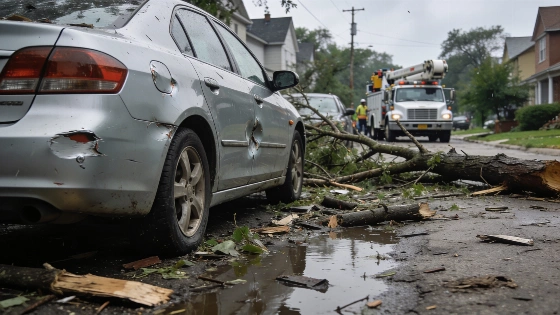
Cleanup crews have already responded to reports of downed trees, flooded streets, and damaged vehicles across neighborhoods such as Andersonville and Oak Lawn. In some cases, fallen trees have blocked roads or damaged parked cars, while flash flooding has made travel hazardous and increased the risk of accidents. In Bartlett, a lightning strike set a tree ablaze and damaged a nearby underground gas main, highlighting the range of hazards that can accompany severe storms. As the region braces for another round of storms, local governments and utility providers are preparing for further disruptions and potential infrastructure strain.
For residents, the financial impact of repeated severe weather can be significant. Insurance deductibles, temporary housing costs, and emergency repairs can quickly add up, especially for those without robust emergency funds. Some policies may not fully cover flood or wind damage, leaving gaps that homeowners must address out of pocket. Renters may also face challenges if their personal property is damaged and they lack adequate renters insurance. Meanwhile, local governments may need to allocate additional resources for debris removal, road repairs, and emergency response, potentially affecting municipal budgets and future tax or fee decisions.
According to the Insurance Information Institute, severe convective storms-including tornadoes, hail, and damaging winds-were responsible for over $38 billion in insured losses across the United States in 2023. Illinois ranked among the top states for storm-related claims, with the Midwest experiencing a higher frequency of severe weather events in recent years. As climate patterns shift, insurers have warned that premiums for homeowners and renters in high-risk areas may continue to rise, and some carriers have tightened underwriting standards or reduced coverage options in regions prone to repeated losses.
For those living in storm-prone areas, understanding the details of their insurance coverage is critical. Standard homeowners policies typically cover wind and tornado damage but may exclude or limit coverage for flooding, requiring separate flood insurance. Deductibles for wind or hail damage can be higher than for other perils, and policyholders should review their terms to avoid surprises after a claim. Renters should also verify whether their policies cover personal property losses from storms and consider additional coverage if needed. Building an emergency fund and keeping an up-to-date home inventory can help households recover more quickly after a disaster.
Severe weather events like tornadoes and damaging storms can have ripple effects on local economies, insurance markets, and household finances. As the frequency and intensity of such events increase, both public and private stakeholders are reassessing risk management strategies, infrastructure resilience, and the affordability of insurance coverage. For consumers, staying informed about weather risks, maintaining adequate insurance, and preparing financially for emergencies are increasingly important parts of household financial planning.