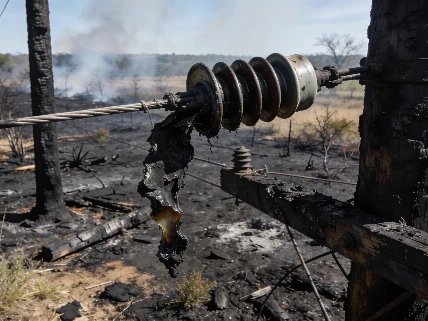

Severe storms swept through North Georgia, leaving over 43,000 without power and causing flooding, downed trees, and property damage. Households and businesses now face cleanup costs and potential insurance claims as recovery begins
Severe weather barreled through North Georgia late Tuesday into early Wednesday, disrupting daily life for tens of thousands of residents and businesses. The storms, triggered by a cold front, brought intense rain, frequent lightning, and damaging winds to the region, with the brunt of the impact felt in the mountains and eastern metro Atlanta. According to reporting by FOX 5 Atlanta, widespread power outages and property damage have left many households facing immediate financial and logistical challenges.
As of 1 a.m. Wednesday, more than 20,000 Georgia Power customers and over 23,000 Georgia EMC customers were without electricity. Pickens County was among the hardest hit, with local emergency management officials reporting outages affecting more than 5,000 customers. In addition to power loss, the storms caused significant flooding near Ellijay, where a mudslide along Boardtown Road at Old Flat Branch forced road closures and complicated travel. Additional flooding was reported along Cox Creek, and debris blocked roadways in Towns and Rabun counties, further straining local resources.
Financial Impact
For many residents, the immediate aftermath includes costs for temporary shelter, spoiled food, and emergency repairs. Downed trees and power lines in Habersham and Cherokee counties led to property damage and, in some cases, fires sparked by lightning. Insurance claims for storm-related losses may rise in the coming weeks, but policyholders should be aware that deductibles and coverage limits can affect reimbursement. Homeowners without adequate coverage for flood or wind damage could face substantial out-of-pocket expenses. Businesses affected by outages may also experience lost revenue, especially those reliant on refrigeration or electronic payment systems.
Severe Thunderstorm Warnings were issued for DeKalb, Cobb, and Fulton counties as storms with wind gusts up to 60 mph and hail up to 0.75 inches moved through the area. The National Weather Service tracked the storm line moving south at 30 mph, impacting communities from Atlanta to Griffin and McDonough. In Murray, Whitfield, and Gordon counties, radar detected hail up to 1 inch in diameter and wind gusts strong enough to damage vehicles, roofs, and siding. The combination of high winds and saturated ground increased the risk of falling limbs and temporary street flooding, prompting officials to urge caution for drivers and anyone outdoors.
Restoration and Recovery
Utility crews began working overnight to restore power, but the scale of the outages means some customers may face extended waits before service is fully restored. Emergency services responded to multiple incidents, including fires and blocked roads, while local governments coordinated debris removal and temporary shelter for displaced residents. The National Weather Service lifted most severe weather warnings by early Wednesday as conditions improved, but flash flooding remained a concern in some areas.
For those affected, documenting damage and contacting insurance providers promptly can help expedite claims. Residents are also encouraged to keep receipts for emergency expenses, as some policies may reimburse costs related to temporary lodging or food spoilage. Businesses should review their business interruption coverage and consult with their insurers about potential claims for lost income or equipment damage.
Storms and Household Finance
According to the Insurance Information Institute, severe weather events are a leading cause of property insurance claims in the United States, with wind and hail accounting for nearly 40% of homeowners insurance losses in recent years. The average homeowners insurance premium in Georgia was $1,445 in 2023, but actual costs and coverage vary widely based on location, property value, and risk factors such as flood zones. Many standard policies exclude flood damage, requiring separate coverage through the National Flood Insurance Program or private insurers. As climate patterns shift, some insurers have adjusted premiums and coverage terms in high-risk areas, making it essential for homeowners to review their policies regularly.
Storm-related financial risks extend beyond immediate repairs. Power outages can lead to spoiled food, lost work hours, and additional expenses for temporary housing or transportation. For households without an emergency fund, these costs can strain budgets and increase reliance on credit cards or short-term loans. Reviewing insurance coverage, maintaining an emergency fund, and understanding local disaster resources can help mitigate the financial impact of future severe weather events.