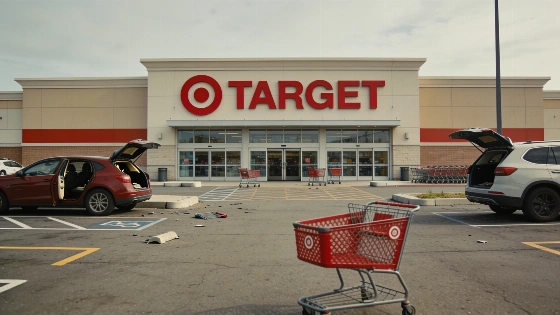
Target is seeing a surge in store visits and sales as it counters Walmart's aggressive price cuts, signaling a shift in where budget-focused shoppers are spending amid economic pressures
Target is making notable gains in the ongoing competition for value-driven shoppers, even as Walmart intensifies its efforts to attract customers with widespread price reductions. In recent months, Walmart has expanded its "rollback" discounts to 7,200 items across its U.S. stores and launched a series of back-to-school promotions, aiming to capture consumers feeling the pinch from inflation and economic uncertainty. Target responded by rolling out its own extended deals, including Target Circle Days, and matching Walmart's focus on affordability for school supplies and household essentials.
Target Pulls Ahead of Walmart in Store Traffic
Despite Walmart's aggressive pricing strategy, Target has recently pulled ahead in a key metric: store foot traffic. According to Placer.ai data, Target's in-store visits rose 4.7% year over year in the second quarter of 2026, while Walmart's traffic edged up just 0.7% over the same period. Target also reported a 3.8% increase in comparable sales and an 8.7% jump in digital comparable sales for the quarter, reflecting both in-store and online momentum. The company's latest earnings release highlighted growth across all six core merchandising categories, with non-merchandise sales up 20% year over year.
Grocery Overhaul Helps Target Attract More Shoppers
Target's leadership credits this performance to a combination of aggressive price cuts and a strategic overhaul of its grocery offerings. The retailer recently completed its largest reset of center store groceries in over a decade, emphasizing wellness, global flavors, and emerging brands. Snacks, a major business segment for Target, delivered double-digit comparable sales growth, with particular strength in protein and "better-for-you" options. While Walmart remains the nation's largest grocery retailer by market share-holding 20.3% for the 12 months ended June 30, according to Numerator-Target's gains suggest it is successfully defending its customer base and attracting new shoppers seeking value and variety.
Target Plans More Price Cuts Ahead of Back-to-School Season
To further strengthen its position, Target has committed to additional price reductions, leveraging nearly $1 billion in tariff refunds received during the second quarter to fund lower prices. The company says it has cut prices on more than 10,000 items over the past year, with more reductions planned, especially for the back-to-school and back-to-college season. Target reports that 95% of its school supplies are now priced at or below last year's levels, a move designed to appeal to families facing tighter budgets.
Weaker Consumer Spending Intensifies Retail Price Competition
These competitive moves come as U.S. consumers are pulling back on discretionary spending. The U.S. Department of Commerce reported a 0.6% decline in retail sales in July compared to the previous month, the steepest drop since May 2025. Rising costs for food, housing, and gas are straining household budgets, and the personal saving rate in June fell to its lowest point since mid-2022. Retailers across the sector are responding with deeper discounts and more targeted promotions to retain shoppers and drive traffic.
Target Bets on Value and Product Innovation
Target's approach stands out for its blend of value and product innovation. By investing in both price and assortment, the company aims to differentiate itself from Walmart's scale-driven model. This strategy appears to be resonating with consumers, as evidenced by the recent uptick in store visits and sales. The competitive landscape remains dynamic, with both retailers likely to continue adjusting their tactics as economic conditions evolve. For context on how major retailers are shifting strategies in response to changing consumer behavior, see how Berkshire Hathaway's investment in Macy's signaled a new approach to department store retailing in this related coverage.
Target Revenue Rises as Walmart Maintains Its Scale Advantage
For the second quarter of 2026, Target reported total revenue of $26.7 billion, up from $25.7 billion a year earlier, according to its official earnings statement. Walmart, by comparison, posted U.S. net sales of $115.2 billion for the same period, reflecting its continued dominance in scale but a slower pace of growth in store visits. Both companies are closely watched by analysts as bellwethers for broader trends in U.S. retail and consumer spending.
Why Comparable Sales and Store Traffic Matter to Investors
Retailers like Target and Walmart often use "comparable sales" as a key performance indicator, measuring sales growth at stores open for at least a year to provide a clearer picture of underlying trends. This metric helps investors and analysts distinguish between growth driven by new store openings and genuine increases in customer demand. In a highly competitive environment, sustained gains in comparable sales and foot traffic can signal effective pricing, merchandising, and customer retention strategies, especially when overall consumer spending is under pressure.