
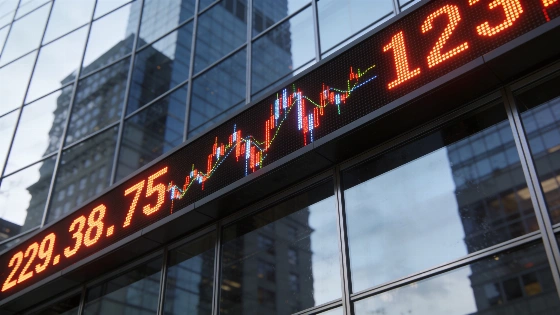
Frequent tariff policy changes from the White House have driven sharp swings in major US stocks, with single-day losses wiping out trillions and sudden reversals leaving investors scrambling to adapt to unpredictable trade moves
One presidential tweet can now erase or restore billions in market value within hours. Following President Trump's latest tariff threats and subsequent reversals, US investors are navigating a market where policy signals shift abruptly and consequences are immediate. The S&P 500's 4.8% plunge on April 3, 2025, followed by a near-complete rebound days later, demonstrates how rapidly fortunes can change when trade policy is dictated by social media and last-minute negotiations.
By September 2025, a 15% tariff was imposed on most Japanese-origin goods under the US-Japan framework, with clarification that this included MFN duties and would not be cumulative.
Policy Shifts and Market Reaction
Since January 2025, the White House has altered US tariff policy over 50 times, according to the Tax Foundation. Most changes have been announced directly by the president on social media, often without advance notice to markets or affected companies. This has created a market environment where investors cannot rely on official statements as a guide to actual policy outcomes. Tariffs may be imposed, delayed, or waived entirely depending on the administration's evolving negotiating tactics.
On October 10, 2025, a threat to double tariffs on Chinese goods erased $2 trillion in US stock market value in a single afternoon. Three weeks later, after a meeting with Chinese President Xi Jinping, the proposed increases were abandoned. This pattern of abrupt escalation and reversal has left investors wary of reacting too quickly, yet unable to ignore the risk that a single announcement could trigger another major selloff.
Volatility Concentrated in Individual Stocks
A temporary pause on increased country-specific 'reciprocal' tariffs, first announced on April 2, 2025, was initially set to last until July 9, 2025, then extended to August 1, and ultimately took effect on August 7, 2025. This sequence of extensions added to the uncertainty for companies and investors tracking cross-border trade flows.
For investors, this environment complicates traditional strategies. Diversification across sectors or index funds may not fully insulate portfolios from sudden shocks to major companies. Some market participants have responded by holding more cash or focusing on companies with less international exposure. Others attempt to capitalize on panic-driven selloffs by buying quality stocks at steep discounts, though this approach carries its own risks if policy uncertainty persists.
Adapting to Unpredictable Trade Policy
The market's dilemma is clear: investors cannot afford to ignore presidential statements, yet reacting to every announcement risks whipsawing portfolios. The administration's approach to tariffs has become part of a broader bargaining process, with public threats and waivers used as negotiating tools rather than firm policy commitments. Companies like Apple have at times secured exemptions from sweeping tariffs, but these carve-outs are rarely predictable in advance.
As Tax Foundation analysis highlights, 2025 saw two major fiscal policy changes: the introduction of the One Big Beautiful Bill Act and a new tariff regime, both of which contributed to heightened uncertainty in trade and investment planning.
Tariffs are taxes on imported goods, and their impact ripples through supply chains, consumer prices, and corporate earnings. When policy changes are frequent and unpredictable, companies struggle to plan production and investment, and investors face a heightened risk of sudden losses. While some may try to profit from volatility, the reality is that unpredictable trade policy undermines the ability of both businesses and households to make informed financial decisions. In this climate, discipline, patience, and a clear understanding of risk are more valuable than ever, but even the best-prepared investors must accept that some shocks cannot be hedged away.
According to Reuters market data, tariff uncertainty continued to weigh on markets into September 2026, with the S&P 500 falling 0.71%, the Dow down 0.79%, and the Nasdaq dropping 1.03% amid bond selloffs and rising oil prices, underscoring the persistent risk tariffs pose to equities.