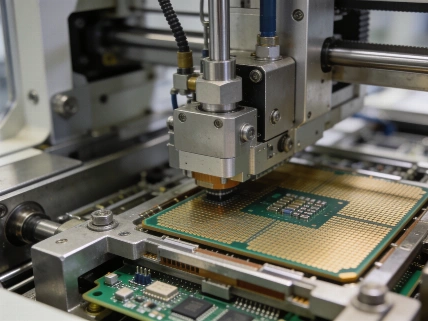

Earnings growth is expected to pick up in the second half of 2026, with energy, tech, and semiconductor stocks leading the way. Investors face sector concentration, seasonal volatility, and new product launches that could reshape market dynamics
The first half of 2026 delivered sharp swings in U.S. equity markets, with memory chip stocks especially volatile as investors weighed short seller activity and ongoing geopolitical risks. As the second half of the year begins, sector leadership is narrowing and earnings growth is expected to accelerate, but not all stocks are likely to benefit equally.
Earnings Acceleration and Sector Concentration
Analysts expect S&P 500 earnings growth to strengthen in the coming quarters, driven by favorable year-over-year comparisons, robust order backlogs, and improving investor sentiment. Yet, this growth is projected to be concentrated in just a few sectors. Energy companies are forecast to post the strongest earnings gains, followed by information technology-including data center and semiconductor firms-and select materials stocks. According to reporting by TheStreet, only three of the S&P 500's eleven sectors are expected to outperform the index's overall earnings growth in the second quarter, underscoring the market's narrow focus.
Within energy, companies such as Okeanis Eco Tankers, International Seaways, Teekay Tankers, HF Sinclair, Phillips 66, Cenovus Energy, and Suncor Energy are among those positioned for potential earnings momentum. In technology, attention is on Nvidia, Advanced Micro Devices, Micron Technology, Seagate Technology, Palantir Technologies, AppLovin, Bloom Energy, GE Vernova, Comfort Systems USA, Quanta Services, and Ciena. For materials, Carpenter Technology and Howmet Aerospace are highlighted as possible beneficiaries of the current cycle.
Memory Stocks and AI Demand
Memory chip stocks have experienced significant price swings, but some investors see opportunity in the near term. Micron Technology, SanDisk, and Seagate Technology are viewed as well-positioned to benefit from surging demand for memory driven by artificial intelligence applications. South Korean memory giant SK Hynix recently completed the second-largest IPO on record, raising $28 billion, reflecting global investor appetite for the sector.
Micron Technology has announced plans to accelerate its U.S. manufacturing investments, with a spending forecast exceeding $250 billion through 2035. The company aims to produce 40% of its DRAM chips domestically, citing strong AI-related demand and a substantial order backlog. While some market watchers warn that expanded production in the U.S. and Korea could eventually lead to oversupply and falling prices, current industry data suggests at least a 15-month backlog, which may help support prices in the near term.
Seasonal Risks and Market Volatility
August is historically a challenging month for U.S. equities, as trading volumes thin out and volatility can spike. The August 2015 selloff remains a cautionary example, when some stocks temporarily stopped trading and certain ETFs opened sharply lower due to pricing dislocations. Investors using stop orders during such periods risk locking in steep losses if liquidity evaporates at the open. While the risk of a major credit market shock appears limited-given the shift from retail to institutional investors in private credit and gradually easing rates-seasonal volatility remains a concern. Staying nimble and monitoring order types may help mitigate sudden market swings.
Apple's Next Move and Market Implications
Apple is rumored to be preparing a folding iPhone, possibly called the iPhone Ultra, for a September 2026 launch. While some insiders remain skeptical, multiple leaks and a reported partnership with Samsung Display suggest the device could debut this fall. If released, the folding iPhone is expected to be in short supply and could carry a price tag near $3,000. High demand and limited availability may create a scarcity premium, with early buyers potentially facing long wait times. The launch could become one of the year's most closely watched tech events, with ripple effects for suppliers and competitors.
Despite robust earnings growth in select sectors, stock prices have not always kept pace. For example, companies like Bloom Energy and GE Vernova report order backlogs several times larger than their projected 2025 sales, yet their price-to-earnings ratios remain compressed. This disconnect may reflect investor skepticism or a wait-and-see approach, especially as some market participants remain wary of overpaying for future growth. As recent analysis of AI-driven stock rallies highlights, even sectors with strong profit growth can face valuation headwinds if macroeconomic risks persist.
According to S&P Global, the S&P 500 posted a 7.2% total return in the first half of 2026, with the information technology sector up 13.5% and energy up 9.8%. Semiconductor stocks, led by Nvidia and Micron Technology, contributed disproportionately to index gains. However, the materials sector lagged, rising just 2.1% over the same period. These figures underscore the importance of sector selection and the risks of concentration as earnings season unfolds.
Sector concentration can amplify both gains and losses for investors. When a small group of stocks or industries drives most of the market's returns, portfolios lacking exposure to those areas may underperform, while those overweight in leading sectors face higher volatility if leadership shifts. Investors should consider diversification, risk tolerance, and time horizon when evaluating sector bets, especially during periods of heightened uncertainty and rapid technological change.