
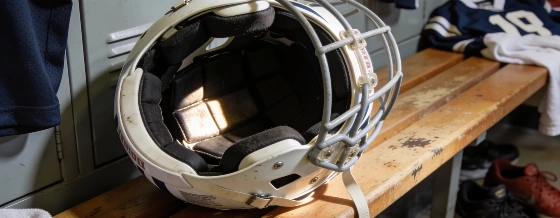
A high school football player in Arkansas wore a helmet containing a venomous cottonmouth snake for nearly an hour during practice, raising new concerns about equipment safety and the hidden risks that can impact student athletes
When a Maumelle High School football player in Arkansas noticed something odd inside his helmet during practice, he discovered a risk few athletes ever consider: a live, venomous cottonmouth snake. The student had already completed warmups and worn the helmet for close to an hour before feeling movement and alerting a coach. Upon inspection, staff found a two-foot cottonmouth-one of the most dangerous snakes native to Arkansas-tucked behind the helmet's padding. Removing the snake required assistance from local police, who used water to coax it out before animal services relocated it to a wooded area away from campus.
While the player was unharmed and able to continue practice with a different helmet, the incident highlights a rarely discussed but real safety concern for student athletes: the importance of thoroughly checking sports equipment before use. Cottonmouths, also known as water moccasins, are the second-most venomous snakes in Arkansas and can deliver a potentially fatal bite. According to animal services officials, the player was fortunate to avoid injury, as cottonmouths are known for their aggressive defense when threatened.
Sports safety protocols typically focus on concussion prevention, hydration, and heat-related illness, but this event underscores the need for vigilance against less obvious hazards. Coaches at Maumelle High responded by reminding players to inspect all gear for insects or animals before each use. While such incidents are rare, they can have serious consequences if overlooked, especially in regions where venomous wildlife is common.
According to the Centers for Disease Control and Prevention (CDC), approximately 7,000 to 8,000 people in the United States are bitten by venomous snakes each year, with cottonmouths accounting for a significant share of bites in the southeastern states. Most bites occur outdoors, but accidental encounters in equipment or storage areas are not unheard of, particularly in rural or wooded environments. Prompt medical attention is critical, as untreated bites can lead to severe tissue damage or, in rare cases, death.
For families with student athletes, this incident serves as a reminder to regularly inspect sports gear, especially when stored in garages, sheds, or other areas accessible to wildlife. Schools may also consider updating safety checklists and providing additional training for staff on how to respond to unexpected hazards. While the financial cost of treating a venomous snakebite can be substantial-often exceeding $10,000 for antivenom and hospital care-prevention remains the most effective strategy for avoiding both injury and expense.
Sports equipment safety extends beyond visible wear and tear. In regions where wildlife is prevalent, hidden dangers such as insects, rodents, or snakes can pose serious health and financial risks. Regular inspection, proper storage, and awareness training can help reduce the likelihood of costly medical emergencies and ensure that athletes remain focused on performance rather than unexpected threats.