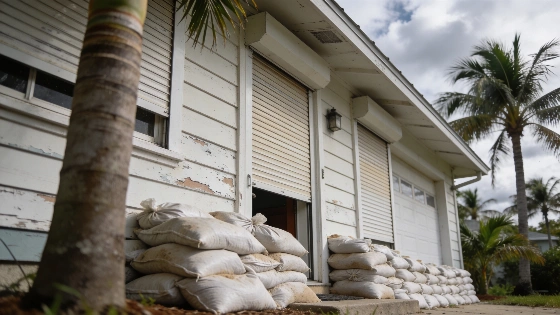
Three developing tropical systems in the Atlantic are being tracked by meteorologists, but none currently pose a direct threat to Florida. Homeowners and insurers are watching closely as storm risks can quickly shift, impacting coverage and repair costs.
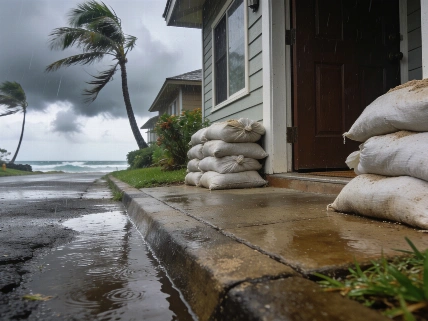
As hurricane season intensifies, meteorologists are monitoring three separate tropical disturbances across the Atlantic, according to FOX 13 Meteorologist Dave Osterberg. While none of these systems currently threaten Florida, the evolving weather patterns are a reminder of the financial risks that storms can pose for homeowners, insurers, and local economies.
The first disturbance, located roughly 1,000 miles east-northeast of Bermuda, has a 50% chance of developing into a named storm-Cristobal-before it moves into cooler waters, which typically reduce the likelihood of further strengthening. The second system, which recently emerged off the African coast, holds a lower 20% chance of development. The third and most closely watched disturbance in the southern Atlantic has an 80% probability of forming as it tracks west-northwest toward the Caribbean islands in the coming days.
Despite the high formation odds for the southern system, forecasters caution that strong wind shear linked to El Niño and the presence of Saharan dust could limit its ability to intensify as it approaches the Caribbean. These environmental factors often disrupt storm organization, making long-term predictions uncertain. For Florida residents and property owners, the current outlook means no immediate threat, but the situation can change rapidly as storms evolve and environmental conditions shift.
Storm activity in the Atlantic has direct financial implications for U.S. homeowners, especially in coastal states like Florida. The National Oceanic and Atmospheric Administration (NOAA) projected an above-normal 2024 Atlantic hurricane season, with 17 to 25 named storms expected. In recent years, increased storm frequency and severity have contributed to rising home insurance premiums and higher out-of-pocket repair costs. According to the Insurance Information Institute, Florida homeowners pay the highest average annual home insurance premiums in the U.S., with rates exceeding $4,200 in 2023-more than triple the national average.
As insurers and property owners weigh the risks, the financial impact of severe weather is not limited to direct storm damage. Disruptions to supply chains, labor shortages, and increased demand for building materials can drive up repair costs after a major event. In the Midwest, for example, recent tornadoes have led to higher insurance claims and infrastructure expenses, as seen in the Chicago area's response to severe storm damage. These trends highlight the broader economic ripple effects that tropical systems can trigger, even when a specific region is not directly hit.
For now, Florida's immediate risk remains low, but the state's exposure to tropical weather means that vigilance is essential. Homeowners should review their insurance coverage, understand policy exclusions, and prepare for potential disruptions. Insurers, meanwhile, continue to adjust underwriting standards and pricing models to reflect the evolving risk landscape. As the season progresses, both consumers and companies will need to stay alert to changing forecasts and the financial consequences of severe weather events.
Insurance coverage for natural disasters like hurricanes is complex and varies widely by state and policy. Standard homeowners insurance typically covers wind damage but may exclude flooding, which requires separate coverage through the National Flood Insurance Program or private insurers. Deductibles for hurricane-related claims are often higher than for other types of damage, and policyholders may face waiting periods before new coverage takes effect. Understanding these distinctions is critical for financial planning, especially in high-risk areas where the cost of being underinsured can be substantial.