SpaceX shares have dropped more than 11% below their IPO price, but ARK Invest just made a $20.5 million bet on the company. Investors are weighing Starship delays, valuation risks, and a looming lockup expiration
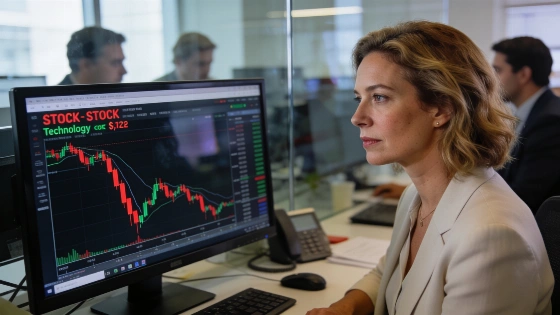
SpaceX (SPCX) investors are facing a sharp downturn as the stock continues to fall well below its $135 IPO price. According to Yahoo Finance, SpaceX closed at $119.85 on Monday, marking its seventh consecutive session in the red and leaving the stock more than 11% under its initial offering price. The selloff has been fueled by concerns over delays in the Starship program, questions about the company's lofty valuation, and the upcoming expiration of post-IPO lockup restrictions that could flood the market with additional shares.
ARK Invest Sees Opportunity Amid the Slide
While many investors have been selling, Cathie Wood's ARK Invest has taken the opposite approach. On July 20, ARK purchased 170,634 shares of SpaceX across four of its ETFs, including the flagship ARK Innovation ETF, which accounted for 97,664 shares. The total value of the new position was approximately $20.5 million at Monday's closing price. Since the IPO, ARK has accumulated nearly 1.2 million additional SpaceX shares, bringing its estimated total investment in the company to $162.5 million, based on data from Whalequant.
Wood's conviction in SpaceX is rooted in the company's ability to drive down launch costs through reusable rocket technology. ARK's research suggests that SpaceX has reduced launch costs by about 95% since 2008, and further cost reductions could enable the company to expand its Starlink satellite network and develop new orbital infrastructure. ARK projects that SpaceX's enterprise value could reach $2.5 trillion by 2030, though this estimate depends heavily on the successful rollout of Starship, strong Starlink margins, and the commercial viability of AI-powered infrastructure.
Market Performance and Technical Signals
SpaceX's stock performance since its IPO has been volatile. After debuting at $135 and closing its first day at $160.95, the stock has now fallen 25.5% from that initial close and nearly 47% from its post-IPO high of $225.64. According to Seeking Alpha, SpaceX shares have declined in 10 of the last 11 trading sessions, erasing more than $1 trillion in market value from their peak. As of Monday, SpaceX's market capitalization stood at $1.57 trillion, making it the tenth most valuable company globally, based on CompaniesMarketCap data.
Technical indicators point to continued selling pressure. The stock is down 10.1% over the past five days and 20.9% over the past 20 days. Its current price sits below both the five-day and 20-day moving averages, and the nine-day relative strength index is at 29.44, signaling oversold conditions. Despite these signals, directional indicators remain bearish, and volatility has increased, with daily price swings averaging between $9.64 and $13.03.
Lockup Expirations and Upcoming Earnings
Investors are also bracing for a major lockup expiration following SpaceX's first public earnings report, scheduled for August 4. On the second trading day after the report, 911.5 million shares will become eligible for sale, representing a potential $109.2 billion in new supply at current prices. An additional 455.8 million shares could unlock if the stock trades above $175.50 for five out of ten sessions leading up to earnings. These staged unlocks could eventually raise the tradable float to 40% of outstanding shares by December 8, increasing the risk of further volatility if early investors or employees decide to cash out.
SpaceX's first post-IPO Starship test was aborted just before liftoff on July 16 due to engine ignition issues, according to Reuters. The company has since scheduled a new launch attempt for July 23, aiming to deploy 20 experimental Starlink V3 satellites and test critical upgrades. The upcoming earnings report will provide the first detailed look at Starlink's subscriber growth, spending, and cash flow since the IPO, all of which are key to the company's long-term valuation.
ARK's Broader Trading Moves
In addition to SpaceX, ARK Invest made significant purchases in Meta Platforms, acquiring 28,106 shares valued at $18.2 million, as well as positions in Tempus AI, Compass Pathways, Archer Aviation, Eli Lilly, Prime Medicine, Pony AI, Security National Financial, WeRide, Absci, Xenon Pharmaceuticals, and Kodiak Sciences. At the same time, ARK sold 203,352 shares of Shopify and trimmed positions in Baidu, Iridium Communications, Robinhood Markets, Advanced Micro Devices, Snowflake, and Illumina. Total reported purchases reached $59.3 million, nearly matching $57.8 million in sales, suggesting a rotation within ARK's portfolio rather than a broad risk-on move.
For context, ARK's flagship Innovation ETF was up just 2.6% year-to-date through July 20, lagging the broader technology sector, while its Space and Defense ETF had gained 17.9%. This divergence highlights the challenges facing active managers in a market where sector performance can vary widely.
Wall Street's Outlook and Key Risks
Despite the recent selloff, Wall Street analysts remain broadly bullish on SpaceX. According to Seeking Alpha, the stock holds an average rating of 4.39 out of 5, with a consensus price target of $240.04-implying nearly 100% upside from current levels. However, price targets range from $62 to $800, reflecting significant uncertainty about the company's future. Bulls point to SpaceX's dominant position in launch economics, recurring revenue from Starlink subscriptions, and the potential for Starship to lower costs and expand capacity. Bears, on the other hand, argue that much of this optimism is already priced in, and that technical challenges, heavy capital expenditures, and slow progress in new business lines could weigh on future cash flow.
Short seller Jim Chanos has publicly questioned SpaceX's valuation, calling the IPO a bet on "hopes and dreams" and arguing that the company is not worth $1.75 trillion under reasonable five-year assumptions, according to Reuters. For investors, the upcoming earnings report and the pace of Starlink subscriber growth, operating cash flow, and launch cadence will be critical in determining whether SpaceX can justify its current valuation.
For readers interested in how major technology bets can reshape entire sectors, Nvidia's $4 trillion AI investment and its potential impact on household energy costs offers another example of how market expectations and real-world consequences can diverge. See this analysis at how Nvidia's AI ambitions could affect U.S. utility bills.
SpaceX's trajectory remains highly uncertain, with near-term volatility likely as the company navigates technical hurdles, lockup expirations, and the scrutiny of its first public earnings report. Investors should weigh both the upside potential and the risks of dilution, execution setbacks, and valuation pressures before making any decisions.
Lockup expirations are a critical event for newly public companies. When large blocks of shares become eligible for sale after an IPO, the sudden increase in tradable supply can put downward pressure on the stock price, especially if early investors or employees decide to sell. The impact often depends on the company's fundamentals, recent performance, and market sentiment at the time of the unlock. For long-term investors, understanding the timing and scale of these events is essential for managing risk and setting realistic expectations about post-IPO volatility.