
A 7.4-magnitude earthquake in western Colombia has killed at least 224 people, damaged infrastructure, and disrupted food and aid delivery, raising urgent questions about disaster response and economic relief for affected families
More than 200 people have died and thousands have been displaced after a powerful 7.4-magnitude earthquake struck western Colombia, according to reporting by CNN. The disaster has triggered a national emergency, with the government struggling to deliver aid to the hardest-hit regions as aftershocks and damaged infrastructure complicate rescue and relief operations. The epicenter, located in the Chocó region, remains difficult to access due to blocked roads and ongoing security concerns, leaving many communities without immediate assistance.
Colombia's new president, Abelardo de la Espriella, who took office just a week before the quake, has announced a series of economic relief measures for affected households. These include a three-month suspension of public service bills in the most severely impacted areas. The government is also coordinating with international partners, including the United States and Mexico, which have sent specialized rescue teams and humanitarian aid. Despite these efforts, local leaders and residents near the epicenter report that food, water, and medical supplies have yet to reach many isolated communities.
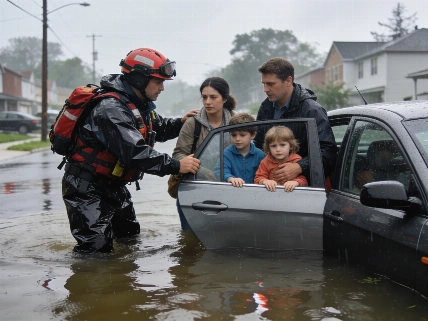
Rescue workers and volunteers have formed human chains to search for survivors in cities such as Pereira and Cali, where dramatic rescues-including that of a baby trapped under rubble-have been captured on video. The first 48 to 72 hours after an earthquake are considered critical for survival, but ongoing aftershocks and logistical barriers have slowed progress. In Buenaventura, a fire at a jail triggered by the quake resulted in at least four additional deaths, further straining emergency resources.
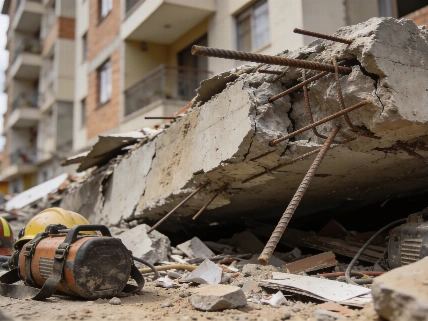
As of the latest official count, the death toll stands at 224, with more than 70 aftershocks recorded since the initial quake. Thousands of homes and buildings have been damaged or destroyed, forcing many families to seek temporary shelter. The government has declared a national disaster, and world leaders have offered support, but the scale of the destruction is testing Colombia's emergency response capacity and raising concerns about the long-term economic impact on vulnerable populations.
Financial and Economic Impact
The earthquake's aftermath is expected to have significant financial consequences for both the Colombian government and affected households. Infrastructure damage has disrupted transportation, commerce, and basic services in several regions, increasing the cost and complexity of recovery. The suspension of public service bills offers short-term relief, but many families face uncertainty about employment, housing, and access to essential goods. International aid may help bridge immediate gaps, but rebuilding efforts will likely require substantial public and private investment over the coming months.
According to the United Nations Office for the Coordination of Humanitarian Affairs, natural disasters in Latin America have caused an average of $20 billion in annual economic losses over the past decade, with earthquakes accounting for a significant share. In Colombia, the government's disaster relief fund is expected to cover initial emergency costs, but longer-term reconstruction will depend on both domestic resources and international support. The financial strain could affect public spending priorities and economic growth forecasts for the remainder of the year.
Relief Operations and Ongoing Risks
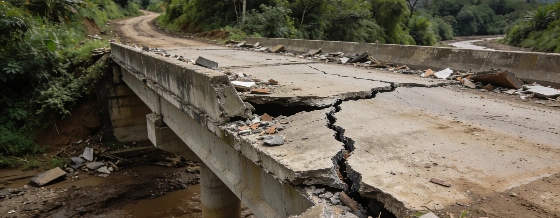
Emergency responders continue to face major obstacles in reaching remote communities, where indigenous leaders report that aid has not yet arrived. Blocked roads, damaged bridges, and persistent aftershocks have slowed the delivery of food, water, and medical supplies. Volunteers and officials are urging donations and support for victims, emphasizing the need for sustained assistance as the recovery process unfolds. The government is working to restore critical infrastructure and coordinate with international partners to accelerate relief efforts.
For U.S. investors and companies with interests in Colombia, the disaster highlights the risks associated with infrastructure vulnerabilities and the importance of robust disaster preparedness. Supply chain disruptions, insurance claims, and potential shifts in government spending could affect sectors ranging from construction and logistics to consumer goods and financial services. The situation remains fluid, with ongoing assessments needed to determine the full scope of the economic and financial impact.
Earthquake insurance is a specialized form of property coverage that protects against losses from seismic events. In the United States, standard homeowners insurance policies typically exclude earthquake damage, requiring consumers to purchase separate coverage. The cost and availability of earthquake insurance vary by region, with higher premiums in areas of greater seismic risk. For households and businesses, evaluating the need for this coverage involves weighing the likelihood of an event against the potential financial consequences of uninsured losses. In emerging markets, limited insurance penetration and infrastructure challenges can amplify the economic fallout from major disasters, underscoring the value of both public and private risk management strategies.