
A 7.4 magnitude earthquake in Colombia has left over 200 dead, destroyed homes, and forced emergency relief efforts. The disaster is testing government response and raising questions about economic recovery and aid distribution
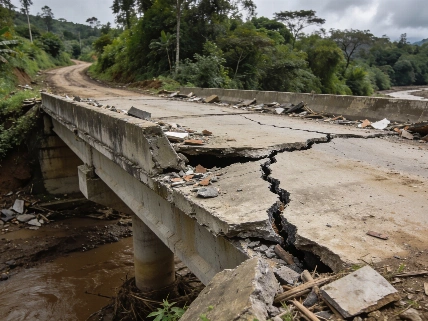
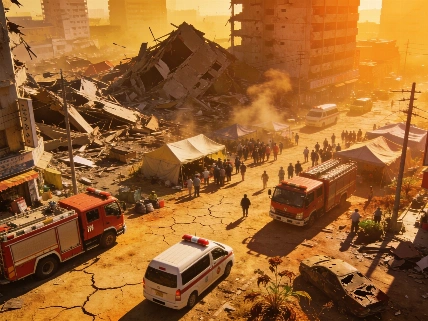
When a 7.4 magnitude earthquake struck Colombia this week, the immediate human toll was devastating: more than 200 people killed, entire neighborhoods reduced to rubble, and thousands left without shelter. The financial consequences are only beginning to emerge, as families, businesses, and local governments confront the costs of recovery and the challenge of rebuilding critical infrastructure. According to reporting by CNN, the quake was the strongest to hit Colombia in over a decade, with the city of Cali and the coffee-growing region among the hardest hit.
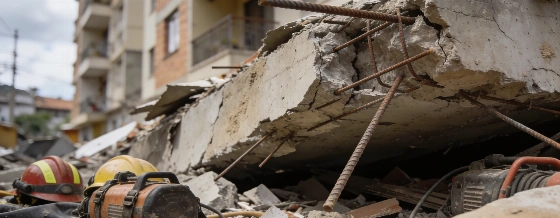
In the aftermath, volunteers and emergency responders raced to rescue survivors from collapsed buildings, including a dramatic effort in Cali where a baby and an injured man were pulled from the debris of a five-story residential complex. Such rescues highlight both the resilience of local communities and the limits of emergency preparedness in regions where building codes and disaster insurance coverage can vary widely. For many residents, the loss of homes and personal property is compounded by uncertainty over how quickly financial assistance will arrive and whether insurance claims will be honored.
Economic Impact
The earthquake's economic shock is likely to ripple through Colombia's already fragile economy. The destruction of homes, businesses, and public infrastructure will require significant investment for reconstruction. For U.S. investors and companies with exposure to Colombia's markets-especially in sectors like agriculture, construction, and insurance-the disaster introduces new risks and potential volatility. The coffee sector, a major export industry, faces disruptions that could affect global supply chains and commodity prices. Meanwhile, the government's ability to deliver aid and manage fiscal pressures will be closely watched by international lenders and credit rating agencies.
International support has begun to mobilize. The European Union has activated its Copernicus satellite service and pledged funding to assist with relief efforts. However, logistical challenges remain acute, particularly in remote and impoverished regions like Chocó, where access is limited and basic needs such as food and medicine are urgent. The Colombian government, under newly inaugurated President Abelardo de la Espriella, has announced economic relief measures, including financial support for displaced families to secure temporary housing. The effectiveness and speed of these programs will be critical for both humanitarian outcomes and public confidence in government institutions.
Insurance and Relief Challenges
For many affected households, the financial burden of disaster recovery will depend on the availability and adequacy of insurance coverage. Earthquake insurance is not universally held in Colombia, and even those with policies may face delays or disputes over claims. In the U.S., earthquake insurance is typically a separate policy or rider, and coverage rates remain low outside high-risk areas like California. The Colombian experience underscores the importance of understanding policy exclusions, deductibles, and the claims process-issues that are equally relevant for U.S. homeowners and renters in disaster-prone regions.
Relief efforts are also complicated by the need to coordinate between local, national, and international agencies. In some areas, such as the Wounaan Indigenous Reserve in Chocó, aid has yet to arrive days after the quake, highlighting persistent gaps in disaster response infrastructure. For U.S. readers, the situation offers a reminder of the financial and logistical complexities that can follow major natural disasters, and the importance of emergency savings, insurance planning, and community networks in building resilience.
By the Numbers
According to Colombia's National Unit for Disaster Risk Management, more than 200 fatalities have been confirmed as of June 2026, with thousands injured and an estimated 10,000 people displaced. The coffee sector, which accounts for roughly $2.5 billion in annual exports, faces significant operational disruptions. The Colombian peso experienced a brief decline against the U.S. dollar following the quake, reflecting investor concerns about economic stability and reconstruction costs. International aid commitments have reached approximately $50 million, but the total cost of recovery is expected to be much higher.
Natural disasters like earthquakes can have lasting effects on both local economies and global markets. In Colombia, the financial impact will depend on the speed and effectiveness of relief efforts, the resilience of key industries, and the government's ability to manage fiscal pressures without undermining long-term growth. For U.S. investors and consumers, the event is a reminder of the interconnectedness of global supply chains and the importance of risk management strategies, including insurance and diversification, in protecting against unforeseen shocks.