A deadly earthquake in southwestern Japan has left 34 dead, thousands displaced, and over 30,000 households without power as extreme heat compounds the crisis, raising urgent questions about disaster readiness and the economic toll on local communities
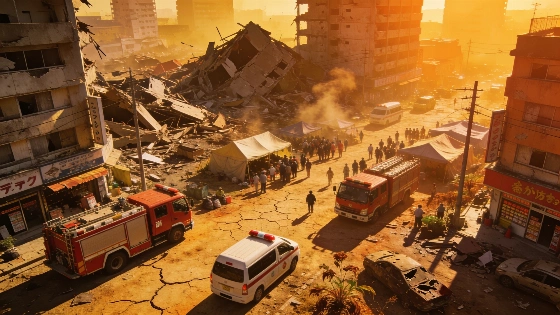
Southwestern Japan is facing a mounting humanitarian and financial crisis after a magnitude 6.8 earthquake struck Kumamoto prefecture on Kyushu island, resulting in at least 34 deaths and widespread destruction. As rescue teams continue to search for survivors, the region is contending with severe heat, damaged infrastructure, and a growing economic burden on both households and local businesses.
Thousands of residents have been forced from their homes, with approximately 9,000 people now sheltering in evacuation centers. The situation is made more precarious by a heat wave, with temperatures forecast to reach 102°F (39°C), increasing the risk of heat-related illnesses. Local officials have prioritized the delivery of air conditioning units and generators to evacuation sites, but many centers remain under-resourced, especially for vulnerable populations such as seniors. The disruption of electricity and water supplies has further complicated relief efforts, leaving many without basic necessities for days.
Infrastructure and Economic Impact
The earthquake caused significant structural damage, including the partial collapse of a major shopping center and a suspected gas explosion that followed. The Aeon shopping mall, which had only recently reopened after repairs from previous earthquakes, suffered extensive damage, highlighting the ongoing vulnerability of commercial infrastructure in the region. In addition, a Nippon Paper factory in Yatsushiro city partially collapsed, resulting in multiple fatalities and trapping workers inside. These incidents underscore the financial risks faced by local businesses, many of which are still recovering from earlier disasters.
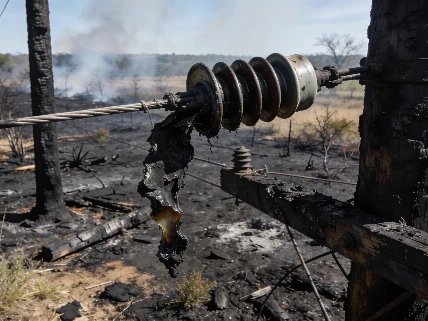
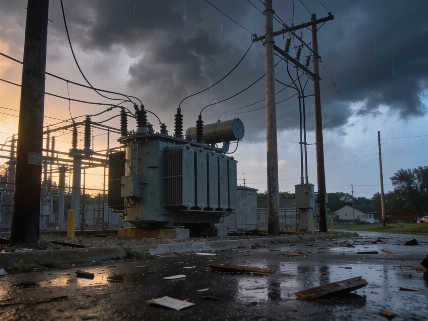
Power outages have affected more than 30,000 households, disrupting daily life and business operations. The loss of electricity has not only hindered cooling efforts during the heat wave but also impacted communication, food storage, and access to medical care. For many families and small businesses, the immediate costs of displacement, lost income, and property damage are compounded by uncertainty about insurance coverage and the timeline for recovery. The repeated aftershocks-over 100 recorded since the initial quake-have further delayed rebuilding efforts and heightened anxiety among residents, some of whom are now sleeping in their vehicles to avoid unstable buildings.
Financial and Insurance Considerations
Japan's experience with frequent natural disasters has led to a robust but costly insurance market. Earthquake insurance in Japan is typically offered as an add-on to standard property policies, with government-backed reinsurance to help absorb catastrophic losses. However, coverage limits and exclusions can leave many households and businesses exposed to significant out-of-pocket expenses. The financial strain is particularly acute for those without adequate coverage or emergency savings, as rebuilding costs and temporary living expenses quickly add up. For U.S. investors and insurers with exposure to Japanese markets, such events can influence risk assessments, reinsurance pricing, and the financial performance of companies operating in disaster-prone regions.
According to the General Insurance Association of Japan, earthquake insurance penetration rates for residential properties remain below 35%, despite government efforts to encourage broader adoption. The economic impact of major earthquakes can ripple through local economies, affecting employment, consumer spending, and municipal finances. In the aftermath of the 2016 Kumamoto earthquakes, insured losses were estimated at over $3 billion, with total economic losses significantly higher. The current disaster is expected to add to the region's financial challenges, especially as recovery costs mount and the risk of further aftershocks persists.
Recovery and Broader Implications
Government agencies have mobilized thousands of personnel for search-and-rescue operations, while local authorities coordinate relief supplies and temporary housing. The delivery of 300 air conditioning units, with half designated for evacuation centers, is a short-term measure to address the immediate health risks posed by extreme heat. Yet, the scale of the disaster highlights the limitations of existing infrastructure and the need for ongoing investment in disaster preparedness, resilient construction, and emergency response systems.
For U.S. readers, the situation in Japan serves as a reminder of the financial vulnerabilities associated with natural disasters, including the importance of adequate insurance, emergency savings, and contingency planning. As climate change increases the frequency and severity of extreme weather events globally, both households and businesses may face higher insurance premiums, stricter underwriting standards, and greater scrutiny of risk management practices. Investors with international exposure should monitor developments in disaster-prone regions, as such events can have material effects on company earnings, supply chains, and broader market sentiment.
Japan's earthquake insurance system is a public-private partnership designed to spread risk and ensure rapid payouts after major disasters. While the government provides reinsurance to private insurers, policyholders face coverage limits and deductibles that can leave significant gaps in protection. The system's structure aims to balance affordability with financial sustainability, but repeated large-scale disasters can strain both public and private resources. For U.S. homeowners, earthquake insurance is typically optional and varies widely by state, with California offering a state-backed program. Understanding the terms, exclusions, and limits of such policies is essential for effective risk management, especially in regions with elevated seismic risk.