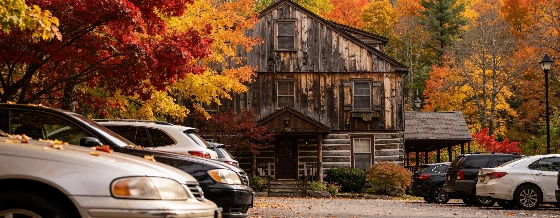
Leaf-peeping trips from New York City are in high demand this fall, with hotel prices in popular upstate destinations like the Catskills spiking to over $500 per night on peak weekends
As summer draws to a close in New York City, demand intensifies for fall foliage getaways in upstate regions such as the Catskills, Hudson Valley, and Finger Lakes. The Catskills, situated west of the Hudson River, remain a top destination for travelers seeking vibrant autumn scenery within a few hours' drive of the city.
In 2026, the peak fall foliage in the Catskills is forecasted to occur in early to mid-October, slightly earlier than in lower-elevation regions closer to New York City.
Hotel rates in the Catskills and other upstate destinations rise sharply during peak foliage weekends. Off-season rooms that average $150 per night can exceed $500 on October weekends due to limited supply and heightened demand. This pricing pattern is consistent across popular Northeast destinations. Travelers may find lower rates by booking early or opting for midweek stays, when both prices and crowds are typically reduced.
Travelers should be aware that the booking window for the most desirable fall foliage weekends is extremely narrow, with the highest demand and fastest price increases typically concentrated on just a few October weekends. Hotel listings for the Catskills already show elevated rates for late September and early October, reflecting strong early demand for autumn trips.
Because the timing of peak foliage varies each year, travelers face uncertainty when booking in advance. The I Love New York tourism board and regional organizations provide annual foliage trackers to assist visitors, but the most effective strategy for securing affordable accommodations is to reserve early within the typical peak window.
For those without private transportation, options include Hudson River cruises and organized bus tours, which provide access to scenic routes and can help reduce travel costs and parking challenges.
According to the U.S. Bureau of Labor Statistics, the Consumer Price Index for lodging away from home increased 4.6% year-over-year as of May 2024, reflecting broader inflation in the travel sector. The American Hotel & Lodging Association reports that occupancy rates in upstate New York destinations routinely exceed 90% during October peak weekends, intensifying price pressures and limiting last-minute availability.
Travelers should weigh cost, timing, and convenience when planning fall foliage trips. Flexibility in travel dates and willingness to consider alternative lodging can help mitigate high seasonal prices. Monitoring regional foliage trackers and booking well in advance remain the most reliable ways to secure accommodations without overpaying.
Seasonal demand spikes in the hospitality sector allow hotels and rental operators to raise prices sharply during short peak periods. In regions like the Catskills, where the fall foliage window is brief, limited room inventory and high demand drive significant price increases. Consumers can reduce financial impact by considering midweek stays, alternative accommodations, or group travel options.