A leading options strategist points to the materials sector, where rising stock prices and unusually low options costs are creating a rare setup for investors seeking limited-risk exposure
While much of Wall Street has focused on technology and AI stocks, the materials sector has quietly outpaced the broader market in 2026. The State Street Materials Select Sector SPDR ETF (XLB), which tracks 28 major materials companies in the S&P 500, has gained nearly 17% year-to-date, surpassing the S&P 500's performance, according to CNBC. On August 21, XLB closed at $53.54, just below its 52-week high of $54.14, based on StockAnalysis data.
What makes this rally unusual is that options tied to XLB have become less expensive even as the fund's price has climbed. Typically, rising stock prices push up the cost of options, but XLB's one-month implied volatility-a key measure of option pricing-recently hovered just above 14%. That's much closer to its five-year low of 11.8% than its five-year average of 19.5%. For investors, this means the cost to bet on further gains or hedge against declines is lower than usual, reducing the upfront risk of taking a position.
Drivers Behind the Materials Surge
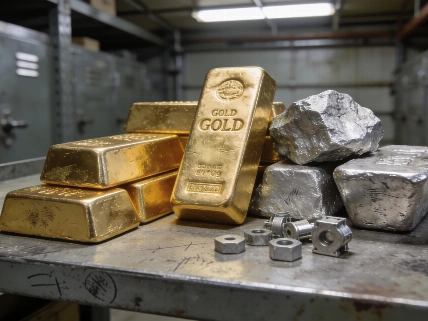
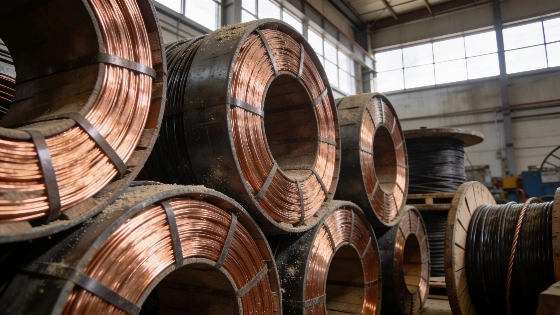
Two main forces are fueling demand for materials stocks. First, the rapid expansion of artificial intelligence infrastructure is driving up the need for copper, specialty chemicals, and construction materials. Building a single one-gigawatt AI data center can require around 50,000 metric tons of copper, and major tech firms are racing to construct more of these facilities. Second, persistent concerns about government deficits and inflation have made hard assets like copper and gold more attractive, especially as the dollar's purchasing power faces pressure. This environment has already benefited miners such as Freeport-McMoRan, which reported $7.03 billion in second-quarter 2026 revenue, beating analyst expectations.
Copper prices reached an all-time high on the COMEX exchange on August 12, with inventories declining for more than 40 consecutive days, according to Yahoo Finance. These trends have helped materials stocks outperform, even as other sectors have struggled to keep pace.
Options Market Offers a Discount
For investors considering exposure to the sector, the current options market presents an unusual opportunity. With XLB's implied volatility near multi-year lows, options contracts are relatively cheap. For example, a September $52.50 call option recently traded for about $1.00 per contract-less than 2% of the fund's price. This means an investor's maximum loss is capped at the premium paid, and the breakeven point is just $53.50, a move of less than 2% from current levels. For those expecting a decline, a September $52.50 put offers similar risk control. Low premiums allow for straightforward strategies without the need for complex hedging.
However, options come with a hard expiration date. If XLB's price remains flat or moves in the wrong direction before the contract expires, the entire premium can be lost. Time decay erodes the value of options as expiration approaches, so investors need both the right direction and timing for the trade to pay off. Experts recommend sizing such trades modestly and treating them as a supplement to a diversified portfolio, not a replacement.
Concentration and Portfolio Risk
It's important to note that XLB is not evenly diversified across the entire materials sector. The fund's top holdings are heavily weighted, with Linde accounting for about 12.94%, Newmont at 7.13%, and Freeport-McMoRan at 5.62%. The top 10 stocks make up roughly 58% of the ETF's assets, so moves in a few large companies can have an outsized impact on performance. This concentration risk means that while options can limit losses, the underlying ETF may be more volatile than it appears.
For readers interested in how dividend stocks can play a role in a balanced portfolio, this analysis of Coca-Cola's dividend stream for Berkshire Hathaway offers a look at another approach to sector investing.
What to Watch Going Forward
The materials sector's outlook depends on continued demand for copper, chemicals, and construction inputs, especially as AI infrastructure spending remains strong. If data center construction slows or inflation pressures ease, the sector could lose momentum. Investors using options should be aware that low premiums do not eliminate risk-timing and direction still matter, and the entire premium is at risk if the trade does not move as expected. As always, these strategies work best as part of a broader, diversified investment plan.
Options are financial contracts that give investors the right, but not the obligation, to buy or sell an asset at a set price before a specific date. The price of an option is influenced by factors such as the underlying asset's volatility, time to expiration, and market demand. Implied volatility reflects the market's expectations for future price swings; when it is low, options are cheaper, but this can also signal complacency or a lack of anticipated movement. Investors should weigh the trade-off between lower upfront costs and the risk of total loss if the market does not move in their favor before expiration.