Fly2Galicia plans to launch low-cost flights from Santiago de Compostela to 17 European cities, with one-way fares starting at $25, intensifying competition for travelers seeking affordable access to a major pilgrimage site
Santiago de Compostela, a city in northwest Spain known as the endpoint of the Camino de Santiago pilgrimage, is set to become a new battleground for low-cost air travel in Europe. Fly2Galicia, a startup airline, aims to connect the city to 17 destinations across Spain and Europe by December 2026, with introductory fares as low as $25 for one-way tickets to select Spanish cities. The move comes as the region experiences a surge in tourism, driven by the growing popularity of the Camino and increased international interest in religious and cultural travel.
According to reporting by The Street, Fly2Galicia will initially operate through an ACMI (Aircraft, Crew, Maintenance, and Insurance) agreement, leasing an Airbus A320 from Romanian carrier FLYYO. This wet lease arrangement allows the airline to test demand and build a customer base before investing in its own fleet and operating certificate. The planned network includes weekly departures to cities such as Alicante, Zaragoza, Granada, Brussels, Munich, Milan-Malpensa, Venice, and Prague. Prague, the capital of Czechia, marks the farthest destination on the initial route map, with further expansion under consideration.
Competitive Fares and Expanded Access
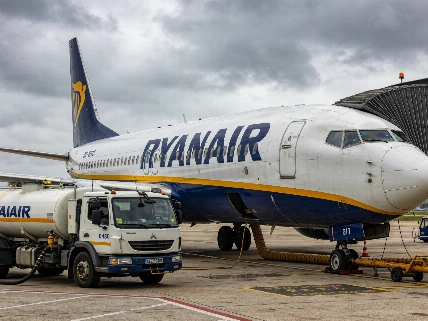
Fly2Galicia's entry is expected to reshape the local air travel market, especially after Ryanair's decision to withdraw from Santiago de Compostela and other smaller Spanish airports due to rising airport taxes. With Ryanair's exit, the city's Rosalia de Castro Airport-serving a permanent population of just over 180,000-has seen reduced competition. Fly2Galicia's fares, starting at €21.50 (about $25) for outbound flights and €19 (about $22) for returns to cities like Alicante and Granada, are positioned to attract both budget-conscious travelers and those seeking direct access to the pilgrimage site.
The airline will offer multiple fare classes, including Economy Plus, Economy Premium, and Business Premium, with perks such as larger seats and lounge access. A loyalty program, Fly2Galicia Miles Programme, is also planned to encourage repeat business. Ticket sales are scheduled to open on August 18, with the first flights expected by the end of 2026.
Rising Passenger Numbers and Market Shifts
The launch of Fly2Galicia coincides with a broader trend of increased travel to Santiago de Compostela. Over the past two decades, the number of pilgrims completing the Camino de Santiago has quintupled, surpassing 500,000 annually, according to The Street. In 2025, Rosalia de Castro Airport handled approximately 3.1 million passengers, reflecting the city's growing appeal as both a religious and cultural destination.
Fly2Galicia is not the only carrier expanding in the region. Hungarian low-cost airline Wizz Air plans to open a base in Santiago by December 17, 2026, with routes to 10 domestic and international destinations, including Rome and Warsaw. The presence of two budget airlines is likely to intensify competition, particularly during the peak pilgrimage season, and could drive further fare reductions or expanded service offerings.
Implications for U.S. Travelers and Investors
For U.S. travelers, the increased connectivity to Santiago de Compostela may make it easier and more affordable to access the Camino de Santiago, especially when combined with transatlantic flights to major European hubs. United Airlines began offering a seasonal route from Newark Liberty to Santiago in May 2025, signaling growing demand from North American markets. For investors, the entry of new low-cost carriers into secondary European airports highlights ongoing shifts in the airline industry's approach to underserved destinations and the potential for new business models to capture niche travel demand.
According to data from the International Air Transport Association (IATA), European low-cost carriers have steadily increased their market share over the past decade, accounting for more than 40% of intra-European passenger traffic by 2025. The expansion of budget airlines into smaller cities like Santiago de Compostela reflects both changing consumer preferences and the search for new growth opportunities as competition intensifies on major routes.
While Fly2Galicia's success will depend on sustained demand and the ability to manage costs in a volatile industry, its launch underscores the evolving landscape of European air travel and the growing importance of regional airports in connecting travelers to cultural and religious destinations.
Low-cost airlines operate on a business model that prioritizes high aircraft utilization, streamlined operations, and unbundled fares-charging separately for extras like checked bags, seat selection, and onboard meals. This approach allows them to offer lower base fares but can result in higher total costs for travelers who opt for additional services. For consumers, comparing the full cost of travel-including ancillary fees and potential schedule limitations-remains essential when evaluating budget airline options, especially on routes to less-served destinations.