Portugal's $23 million Valverde Train project will transform vintage rail cars into a luxury hotel on rails, offering exclusive routes and amenities for high-end travelers and setting new standards in European rail tourism.
Portugal is advancing its luxury tourism sector with Alva Rail's Valverde Train, a $23 million project to convert 1970s-era CP (Comboios de Portugal) carriages into a high-end rail hotel. The initiative is designed to deliver a boutique travel experience through Portugal's less-visited regions, combining historic design with modern amenities for affluent guests.
The project will restore and refit 11 decommissioned CP carriages originally built in the 1970s by Portuguese manufacturer Sorefame.
Luxury Rail's Price Tag
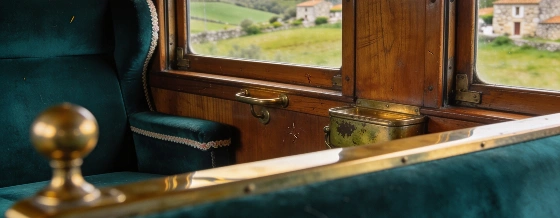
Comparable luxury train journeys internationally often start at $20,000 for a week, positioning the Valverde Train at the upper end of the market. The train will feature fine regional cuisine, curated wine lists, and interiors inspired by the Orient Express, including velvet upholstery and rare wood finishes. The project targets travelers seeking exclusivity and access to Portugal's lesser-known landscapes in a nostalgic, high-comfort setting.
The Valverde Train project is officially confirmed as part of Portugal 2030, with approximately €9.8 million in European co-financing through the COMPETE 2030 program-covering 50% of eligible investment. The train is expected to create 35 new jobs and will operate on various lines across less-visited regions of Portugal, emphasizing scenic landscapes and historic towns.
Market Context and Financial Stakes
Luxury travel demand in Europe is rising. The European Travel Commission reported a 12% increase in international arrivals to Portugal in 2023, with high-spending tourists representing a growing market share. At the same time, costs for premium travel have increased due to inflation and supply chain pressures. Investors face high upfront refurbishment costs but anticipate strong returns from a niche, affluent clientele.
For U.S. travelers, luxury European train journeys offer exclusivity and access to remote destinations, but high prices and potential currency fluctuations limit accessibility. Travelers should consider the total cost, including insurance and regulatory requirements, when evaluating such experiences.
Historic Inspiration, Modern Execution
The Valverde Train's design draws from the Art Deco and Belle Époque eras, with features such as Lalique glass, plush bar cars, and intricate woodwork. Success will depend on delivering both historic ambiance and modern comfort, as well as maintaining consistent service quality to meet the expectations of discerning guests.
Operators in the luxury rail sector increasingly differentiate through unique routes, exclusive amenities, and partnerships with local producers. The Valverde Train could serve as a model for leveraging Portugal's cultural and natural assets to attract high-value travelers and generate economic benefits for less-visited regions.
According to Portugal's National Statistics Institute, tourism revenue reached a record $25 billion in 2023, with luxury travel accounting for a growing portion. The Valverde Train's performance will depend on sustained demand from affluent travelers and the ability to manage costs while delivering premium service in a competitive market.
Luxury train travel remains a distinct segment within hospitality, defined by exclusivity, limited capacity, and a focus on the journey. For travelers, the premium price offers privacy and access to unique destinations. For operators, the challenge is to balance profitability with the rarity and distinction that justify high fares.