SpaceX shares have fallen 17% since joining the Nasdaq-100, now trading below their $135 IPO price as investors question high valuations and ongoing losses in the company's AI and space divisions
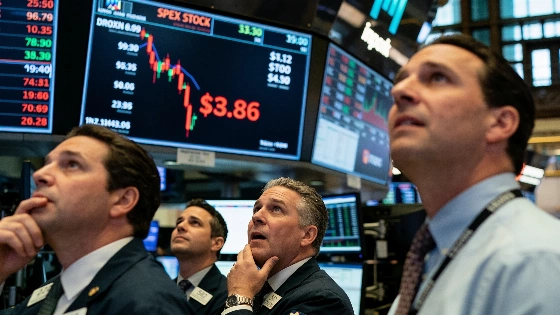
SpaceX's highly anticipated public debut in June drew intense investor interest, with the company's shares initially surging to record highs. But just weeks after its inclusion in the Nasdaq-100, SpaceX stock has slipped more than 17% and now trades below its $135 IPO price. The reversal has raised questions about whether the initial excitement was justified, especially as the company faces scrutiny over its lofty valuation and persistent losses in key business segments.
According to reporting by The Motley Fool, SpaceX's rapid addition to the Nasdaq-100 forced many index-tracking funds to buy shares, temporarily boosting demand. Yet that support proved short-lived. At its June peak, SpaceX reached a market capitalization of $2.66 trillion-about 142 times its projected 2025 revenue. Even after the pullback, the company's valuation remains steep by historical standards, hovering near $1.63 trillion, or 87 times last year's revenue.
Valuation Pressures and Profitability
Investors have grown wary of SpaceX's high price-to-sales ratios, especially given the company's lack of consistent profitability. While SpaceX reported 33% revenue growth in 2025, losses in its space and artificial intelligence divisions have offset profits from its Starlink satellite business. The company's aggressive expansion into AI, including the acquisition of xAI before its IPO and a recent all-stock purchase of the coding startup Cursor, has added to its financial strain.
To fund these ventures, SpaceX has relied on debt offerings and share-based acquisitions, raising concerns about dilution for existing shareholders. The company's strategy of using stock to acquire unprofitable businesses may further pressure earnings and limit near-term upside for investors seeking stable returns.
Share Unlocks and Market Dynamics
Another factor weighing on SpaceX shares is the upcoming unlock of employee and early investor stock. After its second-quarter earnings report, expected in late July or early August, 20% of shares held by insiders will become eligible for sale. If the stock price meets certain thresholds, an additional 10% could be unlocked. This potential influx of supply may add volatility and put further downward pressure on the share price, especially if early holders choose to cash out gains from the IPO.
Market data from Nasdaq shows that large post-IPO share unlocks often coincide with increased trading volume and price swings, as new sellers test the market's appetite for additional shares. For SpaceX, the timing and scale of these unlocks could influence short-term price movements and investor sentiment.
Growth Ambitions and Investor Caution
SpaceX founder Elon Musk has outlined ambitious targets, projecting that annual revenue could surpass $1 trillion by 2030 as the company expands its Starlink network, launches the Starship rocket, and builds out its AI infrastructure. Analyst forecasts for 2025 to 2028 suggest a compound annual growth rate of 97%, with revenue potentially rising from $18.5 billion to $141.6 billion. Yet such projections depend on successful execution across multiple high-risk ventures, and many investors remain skeptical that these targets are achievable on schedule.
For those considering SpaceX at current levels, the decision hinges on whether the company can deliver on its aggressive growth plans without further eroding profitability. While some may view the recent pullback as a buying opportunity, others may prefer to wait for more sustainable earnings and a valuation that better reflects the company's risk profile.
Valuation is a central concept in stock investing, reflecting the relationship between a company's market price and its underlying financial performance. High price-to-sales or price-to-earnings ratios can signal investor optimism about future growth, but they also increase the risk of sharp corrections if expectations are not met. For companies like SpaceX, which operate in capital-intensive and rapidly evolving industries, maintaining investor confidence requires not only bold vision but also credible progress toward profitability and disciplined capital management.