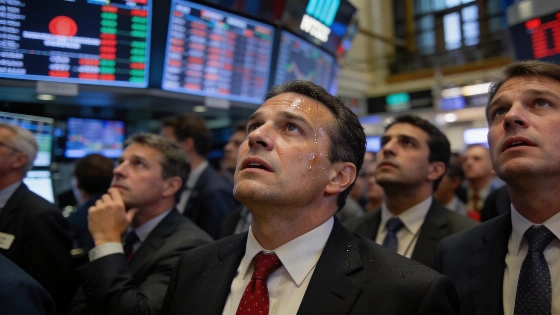
Nasdaq dropped 0.57% as rising oil prices weighed on growth stocks, while Alphabet and Tesla earnings disappointed after hours, sending futures lower and raising questions about tech sector momentum
U.S. stocks ended mostly lower on July 22, 2026, as a jump in oil prices put renewed pressure on growth-oriented shares and investors digested a wave of high-profile earnings. The Nasdaq Composite led the declines, falling 0.57% to close at 25,691, while the S&P 500 slipped 0.13% to 7,499. The Dow Jones Industrial Average finished nearly unchanged, down just 0.01% at 52,219. The market's focus shifted quickly to after-hours results from Alphabet and Tesla, both of which reported second-quarter earnings that fell short of investor hopes and sent futures lower.
Gold prices advanced 1.49% to $4,137.10, reflecting a move toward perceived safe-haven assets as volatility picked up. The yield on the 10-year Treasury note edged up to 4.63%, signaling ongoing concerns about inflation and the potential for further interest rate hikes. Sector performance was mixed: Utilities outperformed, while Communication Services and Healthcare stocks lagged.
Tech Earnings Disappoint
After the closing bell, Alphabet and Tesla released quarterly results that rattled investors. Alphabet reported a 24% increase in sales, with its cloud division posting an 81% revenue surge. Despite the top-line growth, Alphabet's free cash flow turned negative for the quarter, as $45 billion in capital expenditures outweighed operating cash flow. The stock dropped 4% in after-hours trading, reflecting concerns about the company's aggressive spending and the sustainability of its growth trajectory.
Tesla's revenue climbed 26% year-over-year, but adjusted earnings per share came in well below Wall Street expectations. The company's shares fell 5% after hours, as investors weighed the impact of Tesla's ongoing transition from primarily electric vehicles to new business lines such as Cybercabs, Megapack 3, Tesla Semi, and Optimus robots. The results highlighted the risks associated with ambitious expansion plans and the challenge of meeting high investor expectations in a competitive market.
Market Movers and Sector Trends
Several individual stocks posted outsized moves during the session. Super Micro Computer soared 26% after reporting a record order backlog, underscoring strong demand for its products in the data center and AI infrastructure space. AT&T shares rose 4% after the company beat earnings-per-share forecasts, signaling resilience in the telecom sector despite broader market headwinds.
Rocket Lab initially traded higher on news of a $266 million contract with the U.S. government for 12 suborbital launches, but the stock gave up gains to finish flat by the close. Reddit shares fell 8% following reports that the company may restrict Alphabet's access to its content for AI training purposes-a move seen by some analysts as a negotiating tactic for better licensing terms.
Gold's rise and the uptick in Treasury yields reflected a cautious mood among investors, with some reallocating toward defensive assets amid uncertainty about the path of interest rates and corporate earnings. Utilities outperformed as investors sought stability, while sectors tied to discretionary spending and communications lagged.
Investor Implications and Volatility Risks
With Nasdaq futures down 1% after hours, the market appears braced for further volatility as investors reassess the outlook for technology giants and the broader economy. Rising oil prices have added to inflationary pressures, complicating the Federal Reserve's efforts to balance growth and price stability. For individual investors, the latest earnings season underscores the importance of diversification and the risks of concentrated exposure to high-growth sectors.
According to data from the U.S. Energy Information Administration, West Texas Intermediate crude oil prices have climbed more than 15% since the start of the quarter, contributing to higher input costs for businesses and renewed concerns about consumer spending power. Meanwhile, the S&P 500 remains up over 10% year-to-date, but recent swings highlight the fragility of market sentiment in the face of shifting economic signals and company-specific disappointments.
Understanding the mechanics of after-hours trading is crucial for investors following earnings releases. Unlike regular trading hours, after-hours sessions can see lower liquidity and wider bid-ask spreads, which may amplify price swings in response to news. While these moves can offer early signals about market direction, they are not always reliable predictors of the next day's open, as institutional investors and market makers may adjust positions overnight. For most long-term investors, focusing on fundamentals and maintaining a diversified portfolio remains a prudent approach amid short-term volatility.