Two tourist airlines have lost their operating licenses after fatal crashes in the Bahamas and Peru, forcing mass flight cancellations and layoffs as regulators investigate safety and financial fallout mounts for travelers and employees
Two tourist airlines have been forced to halt all operations after fatal crashes led regulators to suspend their licenses, raising new questions about aviation safety and the financial risks for travelers and employees. In early July, a Cessna 402 operated by Flamingo Air crashed near San Andros Airport in the Bahamas, killing all nine passengers and the pilot. The airline's air operator certificate was immediately suspended by Bahamian authorities, grounding its fleet and prompting the layoff of 35 staff members while the investigation continues.
Fatal Crashes Force Two Tourist Airlines to Shut Down
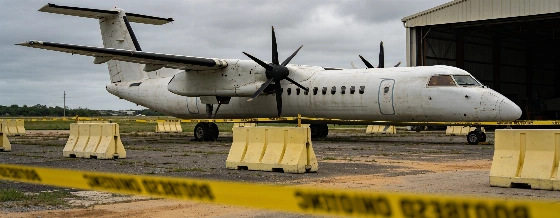
Just weeks later, a similar tragedy unfolded in Peru when a Cessna Caravan C-208 carrying 13 people crashed four miles from the city of Nazca on August 1, according to NBC News. All 11 passengers and two pilots died in the accident, which occurred near the famous Nazca Lines—a UNESCO World Heritage site that draws thousands of tourists annually for aerial tours. In response, Peru's General Directorate for Civil Aviation suspended Aerodiana's operating license, effectively shutting down the country's main provider of overflight tours of the Nazca Lines.
Without an active air operator certificate, Aerodiana cannot sell or operate commercial flights. The company, which has specialized in single-engine turboprop tours since 2008, now faces an uncertain future as authorities investigate the cause of the crash. The airline stated it will review its flight schedule in accordance with regulatory directives, but no timeline for resuming service has been provided. The financial impact extends beyond the airlines themselves, as travelers who booked tours are left seeking refunds and local tourism businesses brace for a drop in visitors.
These incidents highlight the broader risks facing small tourist airlines, which often operate in regions where regulatory oversight and infrastructure may be less robust than in major commercial aviation markets. In 2010, Aerodiana experienced a separate crisis when one of its planes was hijacked by cartel members posing as tourists; the aircraft was never recovered. Such events can have lasting effects on consumer confidence and insurance costs, and may prompt regulators to tighten oversight or impose new safety requirements.
Smaller Carriers Face Greater Safety and Financial Risks
According to the International Air Transport Association, the global accident rate for commercial aircraft in 2025 was 1.26 accidents per million flights, a slight improvement from previous years but with regional disparities. Smaller operators and charter services, especially in developing markets, tend to face higher risks due to older fleets, limited maintenance resources, and challenging operating environments. For travelers, these risks underscore the importance of understanding the financial protections available when booking with smaller carriers, including refund policies and travel insurance coverage.
Travel disruptions from airline shutdowns are not limited to the aviation sector. In recent years, several travel agencies have also ceased operations, leaving customers stranded or out of pocket. For example, in May 2026, more than 200 travelers were notified by AVG Travels that their trips were canceled as the company entered bankruptcy. Similar shutdowns have affected sports tour operators and vacation agencies across Australia, North America, and Europe, reflecting a broader trend of financial instability in the travel industry.
While the aviation sector has faced scrutiny over safety and financial resilience, major manufacturers have also encountered setbacks. For instance, Boeing's defense business outlook came under pressure after a costly Air Force One contract charge offset gains in jet deliveries, as detailed in a recent analysis of Boeing's financial performance. These developments illustrate how operational risks, regulatory actions, and financial pressures can ripple across the travel and aerospace industries, affecting investors, employees, and consumers alike.
What Travelers Should Check Before Booking
For U.S. travelers considering international tours or flights with smaller carriers, it is crucial to review the terms of purchase, check for regulatory certifications, and consider travel insurance that covers airline insolvency or trip interruption. While most flights remain safe, recent events serve as a reminder that financial and safety risks are not limited to major airlines, and that due diligence is essential when booking travel in less regulated markets.
Regulatory oversight in aviation is designed to protect passengers and maintain public confidence, but the effectiveness of these measures can vary widely by country and operator. In the U.S., the Federal Aviation Administration enforces strict safety standards and conducts regular inspections, but travelers venturing abroad may encounter different levels of oversight. Understanding the distinction between scheduled commercial airlines and smaller charter or tour operators can help consumers assess risk and make informed decisions about their travel plans.