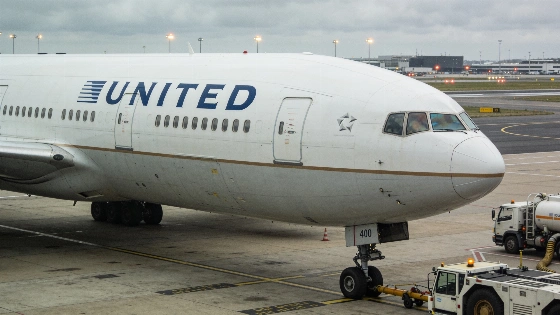
A United Airlines flight from Venice to Newark diverted to London after a mechanical issue, highlighting the operational and financial risks airlines face when handling in-flight emergencies and passenger disruptions
Travelers on United Airlines Flight UA169 from Venice to Newark faced an unexpected detour this week when a mechanical issue forced the Boeing 767-400 to make an emergency landing at London Heathrow. The aircraft, carrying 216 passengers, was en route to New Jersey when the technical problem emerged, prompting the crew to divert mid-flight. Before landing, the plane circled Heathrow to burn off excess fuel-a standard safety measure to ensure the aircraft met weight limits for a safe touchdown. All passengers landed safely, but the incident underscores the operational and financial complexities airlines encounter when flights are disrupted by technical issues.
While United Airlines has not disclosed the specific nature of the mechanical problem, such diversions can trigger a cascade of costs and logistical challenges. Airlines must coordinate with airport authorities, arrange for alternative transportation or rebooking for affected passengers, and manage potential compensation claims. For travelers, these events can mean missed connections, delays, and uncertainty about when they will reach their final destination. The airline stated it was working to rebook customers on the next available flight to Newark, but did not provide a timeline for when normal service would resume.
According to the Bureau of Transportation Statistics, U.S. airlines reported more than 1,300 unscheduled landings due to mechanical issues in 2023. While such events are rare compared to the total number of flights, each incident can result in significant direct and indirect costs. These include fuel dumping, additional landing fees, crew overtime, and potential regulatory scrutiny. For major carriers like United Airlines, maintaining a strong safety record is essential not only for regulatory compliance but also for customer trust and brand reputation.
Airline safety protocols require that aircraft exceeding safe landing weight must either circle to burn fuel or, in some cases, jettison fuel before an emergency landing. While fuel dumping is designed to minimize environmental impact-most of the fuel evaporates before reaching the ground-it remains a costly and closely monitored procedure. The Federal Aviation Administration (FAA) and international regulators track such incidents to ensure compliance with safety and environmental standards. For passengers, these protocols are largely invisible, but they play a critical role in ensuring that emergency landings do not escalate into more serious safety events.
For U.S. travelers, understanding how airlines handle in-flight emergencies can inform decisions about travel insurance, flight planning, and risk tolerance. While the vast majority of flights operate without incident, disruptions can have ripple effects on schedules, finances, and peace of mind. As airlines continue to modernize fleets and invest in maintenance, the industry's ability to manage unexpected technical issues remains a key factor in both operational resilience and customer satisfaction.
Aircraft maintenance and emergency response protocols are central to airline operations and financial planning. Airlines must balance the costs of preventive maintenance, regulatory compliance, and rapid response to in-flight issues against the risks of operational disruption and reputational damage. The FAA sets strict maintenance and reporting standards, but airlines also invest in advanced diagnostics and crew training to minimize the likelihood and impact of technical failures. For investors and consumers alike, the way an airline manages these challenges can be a meaningful indicator of its long-term stability and commitment to safety.