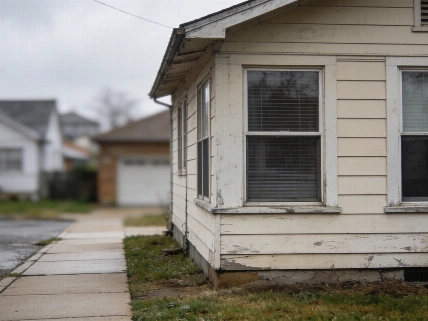

Wilmington, Delaware, stands out for retirees with no sales tax, tax breaks on retirement income, and affordable housing-plus strong healthcare and easy access to major East Coast cities
Wilmington, Delaware, is drawing attention as a retirement destination for those seeking a blend of affordability, tax advantages, and urban convenience. As the state's largest city, Wilmington offers a compact, walkable environment with access to cultural institutions, healthcare, and transportation links that connect residents to the broader Northeast Corridor. Despite its role as a business and cultural hub, Wilmington maintains a small-city feel, with many amenities concentrated within a manageable area-an appealing setup for retirees looking to simplify daily life without sacrificing access to services.
Delaware's tax structure is a major draw. The state imposes no sales tax, does not tax Social Security benefits, and allows retirees to exclude a portion of pension and retirement account income from state taxes. There is also no estate or inheritance tax, which can be a significant consideration for those planning to leave assets to heirs. These policies, combined with a cost of living about 4% above the national average but lower than many Northeast cities, have helped Wilmington earn recognition as one of Investopedia's best places to retire in America.
Housing Costs and Neighborhood Choices
Wilmington's housing market offers a range of options for retirees, from riverfront condos and townhomes to established neighborhoods with historic character. The average home value in Wilmington is $327,117, according to Zillow data from early 2026, which is below the national average of $368,198 and notably less than many communities along the Northeast Corridor. Neighborhoods like the Riverfront district provide newer, low-maintenance housing with easy access to dining and recreation, while areas such as Trolley Square, Highlands, and Forty Acres offer tree-lined streets and historic architecture. For those looking to downsize, condos and smaller homes are widely available, and the city's manageable size means most amenities are within a short distance.
Compared to other cities in the region, Wilmington's housing costs can free up more of a retiree's budget for healthcare, travel, or leisure. The city's proximity to major metros like Philadelphia and New York also means retirees can enjoy urban amenities without paying big-city prices. This balance of affordability and access is a key factor for many considering a move.
Healthcare and Transportation Access
Access to quality healthcare is a top priority for retirees, and Wilmington is served by ChristianaCare, one of the largest health systems in the Mid-Atlantic. Wilmington Hospital offers specialized services including rehabilitation and joint replacement, while Christiana Hospital in nearby Newark provides advanced care in oncology, cardiology, and women's and children's health. Additional specialty practices and medical offices are distributed throughout northern Delaware, reducing the need for long-distance travel for most medical needs.
Transportation is another strength. Wilmington's Amtrak station connects residents to Philadelphia, Baltimore, Washington, D.C., and New York, making it easier for retirees to visit family or access specialized care in other cities. The city's location along Interstate 95 also puts major airports and regional destinations within reach. Public transit, provided by DART First State, offers bus service throughout Wilmington and surrounding communities, supporting those who prefer not to drive.
Culture, Lifestyle, and Regional Comparisons
Wilmington's cultural scene is anchored by institutions like the Delaware Art Museum, the Grand Opera House, and the Winterthur Museum, Garden & Library. The city hosts events such as the Clifford Brown Jazz Festival and the Wilmington Flower Market, and its Riverfront area has become a focal point for dining, walking, and outdoor activities. Parks and greenways along the Christina and Brandywine Rivers provide additional opportunities for recreation and socializing.
For retirees weighing their options, Wilmington's combination of tax policy, healthcare access, and urban amenities stands out. While the cost of living is slightly above the national average, the city's tax advantages and housing affordability can offset higher expenses in other categories. This mix of factors is similar to what some smaller cities offer, such as Mason City, Iowa, which also markets itself as a retirement-friendly community with a lower cost of living and a vibrant arts scene-a comparison explored in this analysis of affordable retirement in Mason City.
When evaluating retirement destinations, it's important to consider how state and local tax policies interact with federal rules. For example, while Delaware exempts Social Security benefits and offers favorable treatment of other retirement income, federal taxes may still apply depending on total income and filing status. Housing affordability can also be affected by property taxes, homeowners association fees, and insurance costs, which vary by neighborhood and property type. Retirees should weigh these factors alongside access to healthcare, transportation, and cultural amenities to determine which location best fits their financial and lifestyle priorities.