
With the S&P 500 losing ground and the 10-year Treasury yield breaching 5 percent, investors face renewed pressure from rising rates, persistent inflation, and global conflict as midterm elections add another layer of uncertainty
Investors anticipating a stable end to the year are now contending with new challenges as bond yields rise and global tensions persist. The S&P 500, which had previously shown strength, has declined in recent weeks, highlighting a market environment where optimism is increasingly tested by economic and political pressures. For those monitoring the Federal Reserve and the bond market, the risks are intensifying.
Dr. Ed Yardeni, one of Wall Street's most optimistic strategists, has reduced his S&P 500 outlook, citing the combined effects of higher yields, ongoing inflation, and geopolitical instability. While Yardeni maintains a positive long-term perspective, his revised forecast indicates that the coming months may be more volatile than previously expected.
On September 14, 2026, the yield on the 10-year U.S. Treasury briefly surpassed 5.01%, reaching its highest level since October 2023 and marking a key psychological threshold for global markets.
Bond Yields Break Higher
The immediate concern for market participants is the sharp increase in U.S. Treasury yields. According to a Reuters financial review, the 10-year Treasury yield exceeded 5% on September 14, 2026, peaking at 5.01%-a level last seen in October 2023. Mortgage rates have also approached 7 percent, intensifying the impact on borrowing costs, home affordability, and the valuation of risk assets such as equities. Higher yields tend to make bonds more attractive relative to stocks, putting downward pressure on equity prices and tightening financial conditions throughout the economy.
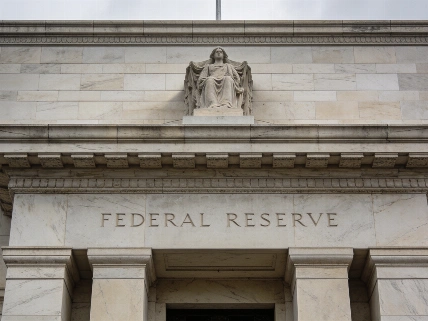
The Federal Open Market Committee recently raised its benchmark rate by a quarter point, setting the federal funds rate in a range of 3.75 percent to 4 percent. This move, widely anticipated after inflation data exceeded expectations, was accompanied by an official statement from the Federal Reserve noting that inflation remains elevated. The rate hike is intended to support a more timely return to the 2% inflation target. The primary credit rate was also increased by 0.25 percentage points to 4.0%. Further details are available in the official Federal Reserve press release.
Geopolitical and Political Uncertainty
In addition to interest rate developments, global events are contributing to market uncertainty. The ongoing conflict involving Iran has kept energy prices elevated, increasing the risk of further rate hikes if inflation persists. The upcoming midterm elections in November introduce additional unpredictability. With the potential for Democrats to gain control of Congress, investors must reassess policy risks and sector exposures, recognizing that legislative outcomes could reshape the economic landscape for years.
Market strategists are closely monitoring these factors, as political changes can influence tax policy, regulatory direction, and broader economic priorities. The current lack of clarity is resulting in volatile trading and a more cautious approach among both institutional and retail investors.
Reuters attributes the recent surge in Treasury yields to a combination of inflation concerns, large-scale government borrowing, and the impact of higher energy prices. On September 15, 2026, the 10-year yield briefly touched 5.02% before retreating.
Market Performance and Investor Sentiment
The S&P 500 has declined approximately 2.3 percent over the past month, reversing a period of relative strength. Despite this recent pullback, the index remains positive for the year. However, the combination of higher yields, inflation concerns, and geopolitical risks has weighed on investor sentiment. As reported by CNBC citing Yardeni Research, the S&P 500's year-end target has been reduced from 8,400 to 7,900, leaving about 4.1% potential upside from the September 16 close, compared to roughly 11% under the previous forecast. This adjustment reflects a more cautious outlook, even among those previously optimistic about the market's resilience.
For additional context, the Mortgage Bankers Association reported that the average rate for a 30-year fixed mortgage reached 7.09 percent in August 2026, the highest since 2002. Elevated borrowing costs have slowed home sales and increased monthly payments for new buyers. Higher Treasury yields have also led to increased rates on auto loans and credit cards, placing additional pressure on household budgets and potentially constraining consumer spending in the coming months.
Long-Term Outlook and Practical Implications
Despite near-term volatility, Yardeni continues to hold a bullish long-term view, projecting the S&P 500 could reach 8,400 by mid-2027 and 10,000 by the end of the decade. For investors, the key message is that short-term fluctuations are likely, but abandoning a disciplined investment strategy in response to headlines can be detrimental. Attempting to time the market around elections, rate changes, or geopolitical events is challenging, and historical evidence suggests that remaining invested during periods of uncertainty often yields better outcomes than trying to anticipate market moves.
Bond yields remain central to the cost of capital, asset valuations, and the broader economy. Rising Treasury yields increase borrowing costs for consumers and businesses, influence mortgage and loan rates, and can shift investor preferences between equities and fixed income. For households, higher yields may offer improved returns on savings accounts and certificates of deposit, but also result in more expensive debt. Understanding the interplay between interest rates, inflation, central bank policy, and market sentiment is essential for making informed financial decisions in a dynamic environment.