A wave of airline collapses triggered by soaring jet fuel costs is stranding travelers and disrupting routes across the Americas, with Paranair's abrupt cancellations highlighting the growing financial risks for budget carriers in 2026
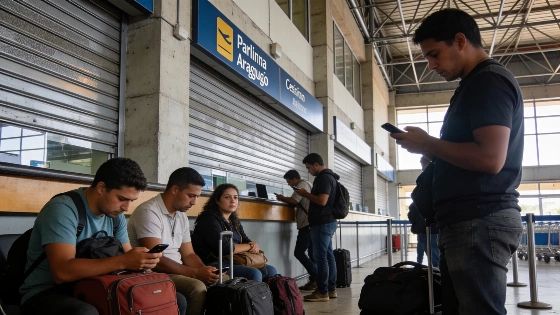
Travelers across South America are facing unexpected disruptions as several budget airlines abruptly cancel flights or shut down operations, leaving hundreds stranded and raising new questions about the financial stability of the region's carriers. The latest turmoil centers on Paranair, a low-cost airline based in Paraguay, which canceled dozens of flights without advance notice on July 27. The move left passengers in cities across Argentina, Bolivia, and Chile scrambling for alternatives, as reported by local media and confirmed by regional tourism officials.
Paranair, which operates a fleet of 50-seat Bombardier CRJ100/200 jets, has served South American destinations since 2015. The airline attributed the cancellations to "extraordinary operational rescheduling," but did not provide further details. Industry analysts point to a sharp rise in jet fuel prices-driven in part by ongoing conflict involving Iran-as a key factor squeezing airline margins. Many carriers are now paying more than double their previous fuel costs, making it difficult to cover operating expenses and meet creditor obligations.
The financial strain is not limited to Paranair. Earlier this year, Spirit Airlines, a major U.S. low-cost carrier, ceased all operations after nearly 34 years in business, citing unsustainable costs and a deteriorating financial outlook. In Mexico, holiday airline Magnicharters filed for bankruptcy protection in June after initially suspending flights for what was supposed to be a two-week pause. In both cases, government agencies and competing airlines organized rescue flights to help stranded travelers reach their destinations.
Refund Struggles and Government Response
For many Paranair customers, the immediate challenge is securing refunds or alternative travel. Passengers stranded in Jujuy, Argentina, reported difficulty reaching the airline for compensation, with some bookings left open for future travel but no clear path to a cash refund. The city's Minister of Tourism and Culture announced that local authorities are considering suspending financial subsidies previously granted to Paranair to support international routes.
Travelers have been forced to book last-minute tickets on other airlines, often at higher prices and with limited availability. The lack of clear communication from Paranair has added to the frustration, as many customers are left uncertain about their rights and options. According to reporting by TheStreet, similar patterns have emerged in other recent airline collapses, with passengers frequently left to navigate complex refund processes or pursue claims through credit card issuers and travel insurance providers.
Industry-Wide Instability
The wave of airline failures in 2026 is not confined to South America. In the United States, Spirit Airlines' shutdown marked the largest airline collapse of the year, while Houston-based Starflite Aviation lost its operating license in March after federal regulators alleged falsified pilot training records. In Europe, Slovenian charter airline AlpAvia and Swedish charter carrier H-Bird also ceased operations due to financial distress and regulatory action.
These developments highlight the vulnerability of smaller and budget-focused airlines to sudden cost spikes and regulatory scrutiny. As jet fuel prices remain volatile, carriers with thin margins and limited access to capital are at heightened risk of insolvency. The situation has drawn comparisons to other recent airline shutdowns, such as the suspension of Flamingo Air's license in the Bahamas following a fatal crash, which also left travelers stranded and raised concerns about consumer protections. For more on the regulatory response to airline shutdowns in the region, see this analysis of the Flamingo Air case: how a Bahamas airline shutdown exposed gaps in passenger protections.
Financial Impact and Consumer Risks
For U.S. travelers and investors, the recent airline turmoil underscores the importance of understanding the financial health of carriers before booking international flights or considering airline stocks. While major U.S. airlines generally have stronger balance sheets and access to capital markets, budget carriers operating in emerging markets may be more exposed to fuel price volatility, currency fluctuations, and regulatory risks.
According to the International Air Transport Association (IATA), global jet fuel prices averaged $3.20 per gallon in July 2026, up more than 110% from the same period two years earlier. The surge has forced airlines to raise fares, cut routes, and, in some cases, suspend operations entirely. For consumers, this means higher travel costs, increased risk of disruption, and greater reliance on travel insurance or credit card protections to recover losses from canceled flights.
As the airline industry continues to adapt to volatile energy markets and shifting demand, travelers are advised to monitor carrier financial health, review refund and rebooking policies, and consider flexible booking options when planning trips, especially on smaller or regional airlines.
Airline shutdowns can have ripple effects beyond immediate travel disruptions. When a carrier ceases operations, passengers may face challenges recovering funds, especially if the airline is in bankruptcy or lacks sufficient assets to cover outstanding obligations. Credit card chargebacks and travel insurance claims are common recourses, but both can involve lengthy processes and may not guarantee full reimbursement. Regulatory protections for airline passengers vary widely by country, with some jurisdictions offering stronger consumer rights than others. For investors, the sector's sensitivity to fuel prices, regulatory action, and economic cycles makes airline stocks particularly volatile, underscoring the need for careful risk assessment and diversification.