
The Invesco QQQ Trust delivered a 92% total return over three years, fueled by surging demand for AI infrastructure and data center technology, but future gains may depend on whether companies sustain high levels of AI-related spending
The rapid adoption of artificial intelligence has reshaped the technology sector, with major U.S. companies investing heavily in new infrastructure to support advanced applications. Since late 2022, when OpenAI's GPT-3.5 reached 100 million monthly users in just two months, investor interest in AI-driven growth has accelerated. This surge has benefited a select group of technology stocks at the heart of the data center and cloud computing boom.
For investors seeking broad exposure to these trends without picking individual winners, the Invesco QQQ Trust (ticker: QQQ) has emerged as a popular vehicle. The ETF tracks the Nasdaq-100 index, which consists of the largest nonfinancial companies listed on the Nasdaq exchange. Unlike the S&P 500, the Nasdaq-100 is more concentrated in technology and related sectors, making QQQ especially sensitive to shifts in tech leadership and innovation cycles.
AI Leaders Drive ETF Performance
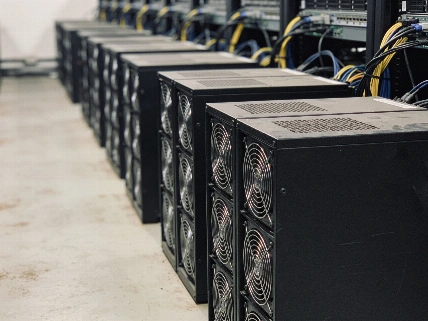
The Invesco QQQ Trust's recent performance has been powered by its heavy allocation to companies leading the AI revolution. Nvidia, which dominates the market for data center graphics processing units (GPUs), now accounts for over 8% of the fund's portfolio. Other top holdings include Alphabet, Microsoft, Amazon, and Meta Platforms-collectively known as hyperscalers-who together make up more than 18% of the ETF. These firms are investing billions in AI infrastructure, cloud services, and data storage, fueling demand for advanced chips and memory.
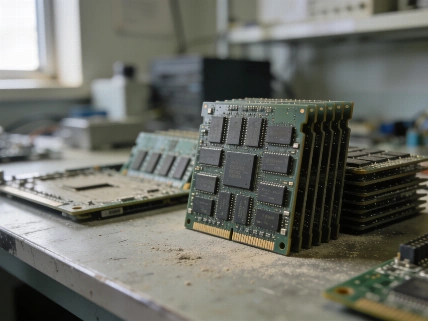
Micron Technology, a major supplier of memory and storage solutions, has also climbed into the ETF's top three positions as demand for high-performance hardware has surged. According to reporting by The Motley Fool, the QQQ delivered a total return of 92% over the three years ending July 22, 2025, far outpacing many diversified equity benchmarks. The fund's expense ratio stands at 0.18%, which is competitive for a large-cap growth ETF.
Risks of AI Spending Slowdown
While the AI boom has driven strong returns, the sustainability of this trend is not guaranteed. Much of the current growth depends on continued high levels of capital expenditure by tech giants. For example, Alphabet recently increased its planned capital spending, and Amazon's free cash flow is projected by some analysts to turn negative in 2026 as it ramps up investment. If these companies scale back spending or if AI-driven projects fail to deliver expected productivity gains, the valuations of leading tech stocks-and by extension, the QQQ-could come under pressure.
Investors should also be aware that the QQQ's concentration in a handful of large technology companies increases its sensitivity to sector-specific risks. A slowdown in AI adoption, regulatory changes, or disappointing earnings from top holdings could trigger sharp declines. While the ETF offers diversification within the tech sector, it is less balanced than broader market funds and may not suit all risk profiles.
Comparing QQQ to Other Investment Options
Compared to the S&P 500, which includes a wider range of industries, the Nasdaq-100 and QQQ are more volatile and more exposed to the fortunes of a few dominant firms. This can lead to outsized gains during periods of rapid innovation, but also exposes investors to steeper losses if sentiment shifts. The QQQ does not include financial companies, energy producers, or many traditional value stocks, so it may not provide the same level of diversification as a total market index fund.
According to Nasdaq data, the QQQ's three-year annualized return as of July 2025 was significantly higher than the S&P 500's, reflecting the outperformance of mega-cap tech stocks. However, past performance does not guarantee future results, and investors should consider their own time horizon, risk tolerance, and portfolio needs before allocating heavily to a sector-focused ETF.
Exchange-traded funds (ETFs) like the Invesco QQQ Trust offer a way to invest in a basket of stocks with a single purchase, providing instant diversification within a chosen index. While sector-focused ETFs can amplify gains when their underlying industries are in favor, they also magnify losses during downturns. Investors should review the fund's holdings, expense ratio, and historical volatility, and consider how it fits within their broader investment strategy. For those seeking exposure to the AI and technology boom, QQQ remains a prominent option, but it is not without meaningful risks.