
Small-Cap Stocks
14 articlesReaders can find data recaps, fund comparisons, risk notes and portfolio examples tied to fee analysis and trading basics, with attention to nearby terms when those details affect costs, rights, exposure or timing.

How the Stock Market Works for New Investors
Global stock markets were worth about $164.5 trillion in September 2026. That figure says little about what an investor owns, or how exchanges, indexes and broad-market funds differ.

Jaguar Health Jumps 33% as Dividend Raises Dilution Risk
Jaguar Health shares climbed 33.19% as pediatric crofelemer patients entered an extension phase. A planned Series R conversion on November 2, 2026, could add to the share count as the company faces cash pressure.

Could a Small-Cap Turnaround Help This Growth ETF?
Vanguard's long-range model projects a possible return edge for U.S. small-caps over large-caps. IWO holds 1,127 growth stocks, but the forecast is no promise and recent gains say little about its next decade.
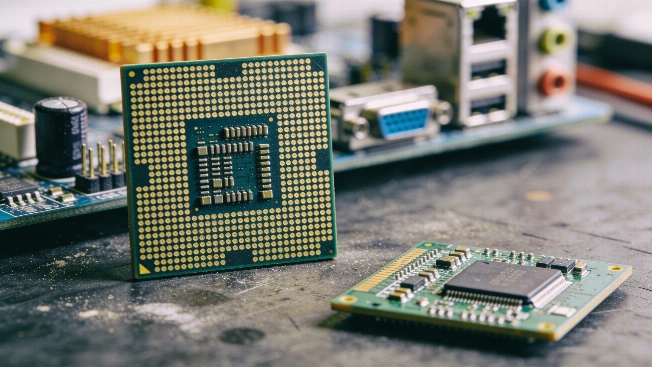
Why Investors Look to Smaller, Fast-Growing Tech Stocks
The investor looks for tech companies with fast revenue growth, rising margins and room to scale. Silicon Motion's recent results show the kind of growth that draws attention, but the approach still carries company-specific and market risks.
Market Cap Sets the Scale for a Stock's Upside
A tenfold gain would take a $2 billion company to $20 billion, but a $1.2 trillion company would need to reach $12 trillion. Market cap helps frame the math, not predict the outcome.

ARKX vs. XAR: Which Aerospace and Defense ETF Fits Your Portfolio?
ARKX returned more than XAR over the trailing year in the reported snapshot, but it charges more and showed greater volatility. Over four years, the funds finished almost even.

Four Infrastructure ETFs Raise Monthly Payouts for September
Infrastructure Capital raised monthly distributions for QVOL, BNDS, SCAP and ICAP. The new payments are due September 30, but QVOL's targeted annual rate is neither a yield nor a guaranteed return.

VerifyMe's Reverse Split Leaves Its Merger Dividend at Risk
VerifyMe's 1-for-10 reverse split takes effect September 29. A $1.50 post-split dividend depends on the proposed Open World merger closing, and the split itself does not create value.
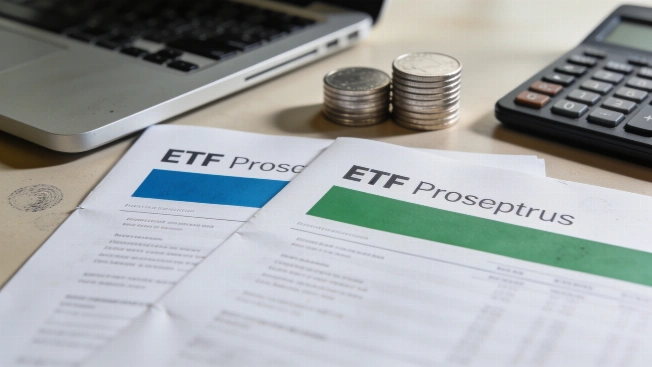
Tech bets push VUG past IWO in growth ETF face-off
VUG's rock-bottom 0.03% fee and heavy tech exposure have driven bigger five-year gains than IWO. But those big bets mean sharper risk if the AI surge cools. IWO, focused on small caps, spreads risk wider but costs more.

Biotech bankruptcy wipes out investors before FDA decision arrives
BioXcel filed for bankruptcy just weeks before a pivotal FDA ruling on its only approved drug. The company's lenders and buyers will collect any upside while shareholders are left with nothing

A famous investor holds put options on a small-cap ETF, but there's more to the story
Millennium Management's large put position on the iShares Russell 2000 ETF isn't a bearish call on small caps-it's a hedge to protect gains as the fund rallies nearly 19% this year, highlighting how professional investors manage risk

Vanguard ETFs Offer Investors a Way Out of S&P 500 Concentration
The S&P 500's top 10 stocks now account for over 40% of its value, raising new risks for investors who rely on the index for diversification. Vanguard's small-cap and international ETFs may offer broader exposure and lower concentration risk

Small-Cap Value ETFs: Vanguard vs. State Street
Small-cap value ETFs have surged past large-cap indexes, with the State Street SPDR S&P 600 Small Cap Value ETF and Vanguard Small-Cap Value ETF leading the pack-yet their differences in fees, holdings, and recent returns matter for investors seeking value
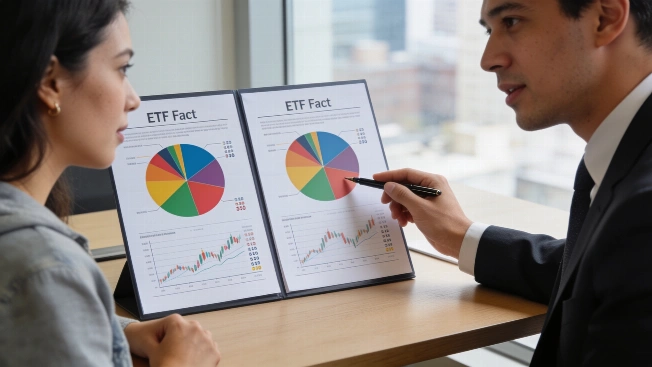
Invesco S&P SmallCap 600 Revenue ETF vs. State Street SPDR S&P 600 Small Cap Growth ETF: Key Differences and Investor Considerations
RZG and SLYG both target small-cap growth stocks, but differ sharply in fees, diversification, and risk. See how their expense ratios, sector weights, and recent returns stack up before choosing a fund for your portfolio