SPDR Gold Shares holds over $130 billion in gold bullion and sets the standard for gold ETFs, but its higher fees and global reach raise questions about cost and access for U.S. investors seeking inflation protection
When gold prices fluctuate and inflation erodes cash value, investors often seek a safe haven. For many, this leads to gold exchange-traded funds. However, not all gold ETFs are equivalent-and the largest, SPDR Gold Shares (GLD), continues to serve as the primary vehicle for both institutional and individual investors seeking direct exposure to physical gold.
In Q2 2026, Poland's central bank was the largest official sector gold buyer, adding 51 metric tons to its reserves, while China purchased 33 tons in the same period.
Transparency and Physical Backing
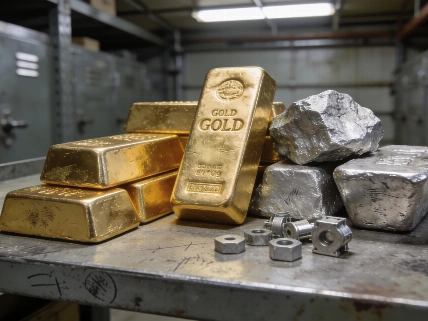
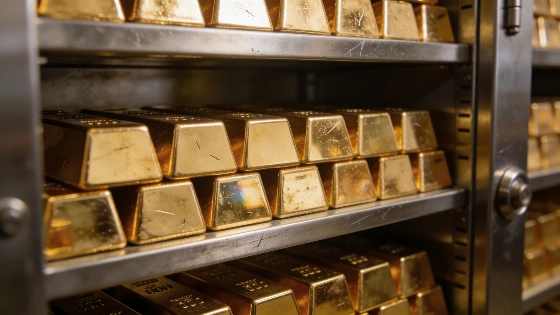
Unlike some commodity funds that use futures or derivatives, GLD is backed by physical gold bars stored in secure vaults. The fund publishes a daily list of the serial numbers of every gold bar it holds, and independent third-party audits are conducted twice a year. This transparency is intended to assure investors that each share is supported by real, verifiable gold, not merely paper claims.
For those concerned about inflation or currency risk, this physical backing is a significant feature. Central banks have also been major buyers, with the World Gold Council reporting a record 289 metric tons of gold purchased by central banks in the second quarter of 2026. According to a detailed Q2 2026 review, this represents a 62% year-over-year increase and marks the strongest second quarter for official sector gold demand since records began. Institutional demand can help stabilize prices during periods of volatility, but it also means that GLD's performance is closely monitored as a proxy for global gold appetite.
Fee Structure and Cost Comparison
GLD's dominance comes with a cost. The fund charges an annual expense ratio of 0.4%, higher than several other large physically backed gold ETFs. For example, its sibling fund, SPDR Gold MiniShares, charges just 0.1% but is available on fewer exchanges. While 0.4% equates to $40 per $10,000 invested annually, this remains lower than the typical premium and storage costs associated with purchasing physical gold coins or bars directly. According to USAGOLD, the premium on a one-ounce American Gold Eagle coin was nearly 5% in March 2026, far exceeding GLD's annual fee.
Despite a decline in the average gold price compared to the record-setting first quarter, official sector demand remained robust in Q2 2026, reinforcing gold's role as a reserve asset during periods of macroeconomic uncertainty.
Accessibility and Portfolio Role
GLD's broad availability is a significant advantage. Shares can be bought and sold through most U.S. brokerage accounts and are eligible for inclusion in many retirement plans. This accessibility, combined with global listings, makes it a practical option for investors seeking gold exposure without the complexities of physical storage or futures contracts.
For context, some investors allocate a portion of their portfolio to GLD as a hedge rather than a growth asset. If gold prices were to decline sharply, increasing the allocation may be considered, but gold is not generally expected to outperform equities over the long term. The fund's primary role is to provide diversification and a buffer against inflation, rather than to pursue outsized returns.
Recent changes in central bank policy and market expectations have also influenced gold's appeal. As previously reported, shifts in Federal Reserve leadership can affect the landscape for inflation hedges and safe-haven assets, making the case for gold more or less compelling depending on the macroeconomic environment.
Understanding Gold ETF Risks
While GLD offers a direct way to gain gold exposure, it is not without risks. The fund's price tracks the spot price of gold, but investors remain exposed to market volatility, currency fluctuations, and potential tracking error. Unlike holding physical gold, GLD shares are subject to brokerage account risks and may not provide the same sense of security for all investors.
It is also important to recognize that gold's historical role as an inflation hedge is not absolute. Over certain periods, gold has lagged behind equities or failed to keep pace with rising consumer prices. Investors should consider how gold fits within their broader asset allocation and whether the diversification benefits outweigh the costs and limitations of holding a gold ETF.
Gold ETFs such as GLD are structured as grantor trusts, meaning each share represents a fractional interest in the underlying gold held by the trust. This structure provides transparency and direct exposure to gold prices, but does not generate income or dividends. Investors must rely on price appreciation for returns, and selling shares may trigger capital gains taxes. Understanding these mechanics is essential for anyone considering gold ETFs as part of a diversified investment strategy.