Missing just a handful of the stock market's best days can erase decades of gains, yet many new investors still try to time the market. Here's why frequent trading can undermine your long-term returns and what to do instead
For many Americans looking to build wealth, the stock market's long-term track record is hard to ignore. Over the past 30 years, the S&P 500 delivered an annualized total return of 10.8%, according to historical data. While that figure may not seem extraordinary in a single year, the effect of compounding over decades is dramatic: an initial investment could have multiplied more than 200 times. Yet despite this powerful growth, many new investors fall into a common trap that can severely limit their results.
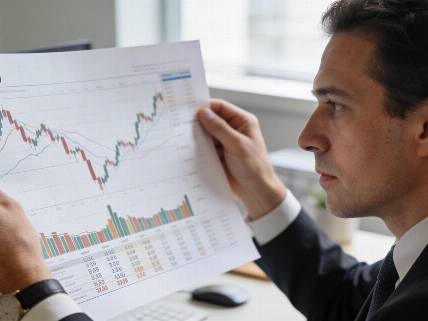
It's natural to want to buy stocks when prices are low and sell when they're high. The idea of sidestepping downturns and capturing only the market's best days is appealing, especially during periods of volatility. But research consistently shows that trying to time the market by trading in and out often leads to worse outcomes than simply staying invested. Even missing a small number of the market's strongest days can have a devastating impact on long-term returns.
The Cost of Missing the Market's Best Days
One of the most striking findings from market research is how much of the stock market's long-term gains are concentrated in just a handful of days. According to a study by J.P. Morgan Asset Management, if an investor missed the 10 best days in the S&P 500 between 2003 and 2022, their total return would have been cut by more than half compared to someone who stayed fully invested. Missing the 60 best days over a 30-year period would have resulted in a negative total return, even as the index itself soared. These numbers highlight the risk of trying to jump in and out of the market based on short-term predictions.
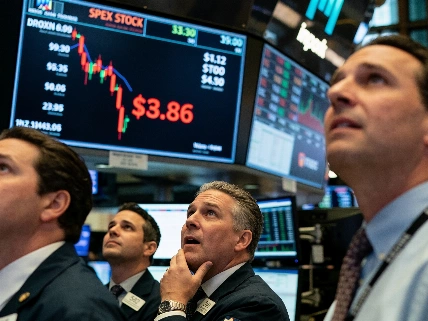
Market rallies often occur during periods of high volatility, when many investors are most tempted to sell. The best days frequently follow the worst, making it nearly impossible to consistently predict when to be in or out. Transaction costs, taxes, and the psychological toll of frequent trading can further erode returns.
Why Frequent Trading Backfires
Attempting to time the market is not just difficult-it's statistically unlikely to succeed over the long run. Even professional fund managers rarely outperform the market after accounting for fees and trading costs. For individual investors, the odds are even lower. Behavioral finance research shows that investors who trade more frequently tend to underperform those who take a buy-and-hold approach, largely due to emotional decision-making and overconfidence.
Frequent trading can also trigger short-term capital gains taxes, which are typically higher than long-term rates. This can further reduce net returns, especially in taxable brokerage accounts. While some investors believe they can spot patterns or react quickly to news, the reality is that markets often move on information that is already priced in or impossible to anticipate.
Staying Invested Through Volatility
For most investors, the most reliable way to capture the market's long-term growth is to remain invested through both good times and bad. This doesn't mean ignoring risk or never making adjustments, but it does mean resisting the urge to react to every market swing. Diversification, regular contributions, and a clear investment plan can help manage risk without resorting to market timing.
According to the Federal Reserve's 2023 Survey of Consumer Finances, U.S. households with consistent stock market exposure over the past decade saw median net worth growth far outpace those who held mostly cash or tried to time their investments. While past performance doesn't guarantee future results, the historical pattern is clear: patience and discipline tend to be rewarded over time.
Understanding the difference between volatility and risk is crucial for investors. Volatility refers to the market's short-term ups and downs, while risk is the chance of a permanent loss. Long-term investors who stay the course are often able to ride out volatility and benefit from eventual recoveries. By focusing on time in the market rather than timing the market, investors can avoid one of the most costly mistakes and improve their odds of reaching their financial goals.