
Household Finance - Page 2
59 articles
Mega Millions Jackpot Hits $743M as Winning Numbers Drawn for July 24
The Mega Millions jackpot has surged to $743 million, ranking as the 10th-largest in the game's history. With no grand prize winner on Tuesday, the stakes for Friday's drawing and the potential payout options are drawing national attention

How Taylor Swift and Travis Kelce Spent on Their Private Wedding Event
Taylor Swift and Travis Kelce's wedding at Madison Square Garden featured a high-cost, guest-focused reception and lengthy personalized vows, highlighting the financial scale and planning behind celebrity nuptials in the U.S.

Homeowners' Net Worth Is Nearly 38 Times Higher
The median net worth of U.S. homeowners reached $396,500 in 2022, nearly 38 times that of renters, as rising home values and equity gains continue to widen the wealth gap between owners and renters across all age groups

What the Average Married Couple Receives From Social Security and Steps to Maximize Benefits
A typical dual-earning married couple can expect nearly $50,000 a year from Social Security, but the amount varies widely based on work history, claiming age, and strategy-key decisions that can affect both monthly income and survivor benefits

What Americans Are Actually Worth By Income Tier
Net worth in the U.S. varies sharply by income tier, with the top 10% holding over two-thirds of household wealth while many middle-income families rely on home equity and struggle to cover emergencies

How Much Couples Need to Retire in Each State
Median savings for Americans in their 30s and 40s fall far short of the typical down payment needed for a home, with high prices and closing costs widening the gap and forcing buyers to seek new strategies to build cash reserves

9 Top Places to Retire in the Western U.S.
Retirees seeking affordable living, tax advantages, and access to outdoor recreation are increasingly considering smaller Western cities like Casper, Evanston, and Pomeroy, where home prices can be over $50,000 below the national average

How Much Money Couples Need to Retire Comfortably in Each State
A recent survey found Americans believe they need $2.09 million to retire comfortably, but actual needs depend on retirement age, lifestyle, inflation, and withdrawal strategy-factors that can dramatically change the amount required

How Americans' Bank Balances Stack Up by Age and Household Type
Federal Reserve data shows the typical U.S. household holds $8,000 in bank accounts, but balances differ sharply by age, relationship status, and education-raising questions about financial security and savings strategies

Nursing Home Costs Now Top $10,000 a Month for Many Families
The average price of a U.S. nursing home stay has soared to nearly $10,000 per month, leaving families with tough choices as Medicare covers only limited care and out-of-pocket expenses mount rapidly
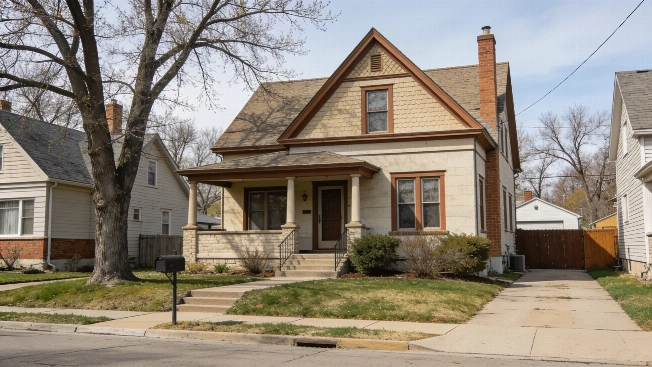
How Mason City Delivers Affordable Retirement Without Sacrificing Culture
Mason City, Iowa, offers retirees a cost of living 6% below the U.S. average, median home prices under $155,000, and a vibrant arts scene-raising the question of what trade-offs, if any, come with small-city retirement in 2026

Sarasota's High Cost of Living vs. Florida's Tax Perks for Retirees
Retiring in Sarasota means paying above-average housing and food costs, but Florida's lack of state income tax and generous property exemptions can offset some expenses for retirees seeking an active lifestyle

9 U.S. Cities Where Retirees Can Live Near National Parks
Retiring near a national park can lower living costs and boost access to outdoor activities, but tax rules and healthcare options vary widely by location. Here's what to know before making a move

How Much Households in Their 30s Really Spend Each Year
Households led by adults in their 30s now average $85,114 in annual spending, with housing and transportation accounting for nearly half of all expenses-reflecting a shift toward higher fixed costs and long-term financial obligations

How Income and Wealth Peak for Americans in Their Late 40s and Early 50s
Americans ages 45-54 report the highest median household income, but wide gaps persist by education and homeownership. See how your earnings and net worth compare-and why income alone doesn't tell the full story

Baby Boomers Face Retirement With Record Debt Levels
A growing share of baby boomers are entering retirement with substantial debt, including mortgages and credit cards, raising new risks for fixed-income households as healthcare and living costs climb

How Much You Need to Retire Comfortably in North Carolina
Retiring in North Carolina may cost less than in many states, but most couples still need nearly $940,000 in savings to maintain a comfortable lifestyle beyond Social Security benefits
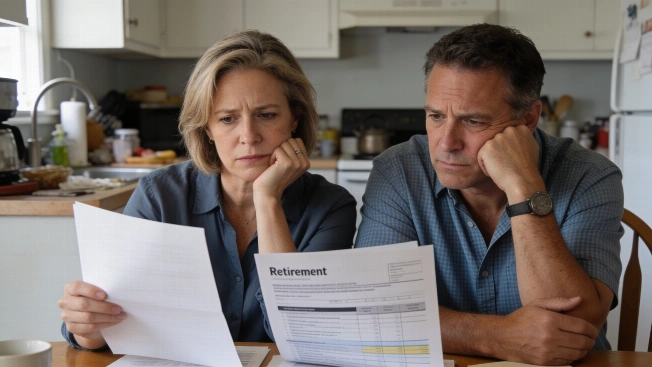
Retirement Savings Fears Grow as Americans Brace for Shortfalls
A new survey finds 62% of Americans worry they'll reach retirement age without enough savings, as concerns mount over Social Security cuts, rising living costs, and the high price of long-term care

How State-by-State Cost Gaps Reshape What Your Salary Can Buy
A $70,000 salary stretches much further in Oklahoma than in Hawaii or California. See how state-level cost differences can add or subtract thousands from your real spending power
Page 2 by 2