
Diversification
29 articlesLook for pieces that explain financial fees, compare adjacent choices and show how nearby terms appears in applications, disclosures, statements or official pages.

Buffett's Patience Test Meets the AI Rally
The S&P 500 has climbed 118% since its October 2022 low as AI spending draws investors in. Buffett's approach favors patience, while leaving room to question what each company is worth.

How the Stock Market Works for New Investors
Global stock markets were worth about $164.5 trillion in September 2026. That figure says little about what an investor owns, or how exchanges, indexes and broad-market funds differ.

AI's Next Market Test Is Moving Beyond Chips
AI investing may be shifting from chipmakers to businesses that deploy software, secure systems and supply power to the grid. Five ETFs offer different ways to track that next phase.

Why VOO Could Help Investors Stay Put in a Recession
VOO spreads exposure across nearly 500 companies, which may help investors resist panic-selling during a downturn. But diversification cannot prevent market losses or replace cash needed soon.

A Dividend Cut Can Hit Retirees Twice
A dividend suspension can cut retirement cash flow just as the stock falls. SDY and VYM spread exposure across dividend payers; SPYI gets much of its distribution from options instead.

Sun Life's 3.4% Yield Is Backed by Earnings Coverage
Sun Life reported C$2.02 in underlying earnings per share against a C$0.96 quarterly dividend. That put its payout ratio at about 48%, though current coverage does not guarantee future payments.

Dividend Stocks Can Give Beginners a Steadier Starting Point
Dividend growers have historically delivered stronger returns with lower measured volatility than dividend cutters. But payouts are never guaranteed, and the long-term record cannot predict what new investors will earn.

VOO's lower fees challenge QQQ's growth edge
Over five years, $1,000 grew to $2,108 in QQQ and $1,892 in VOO. QQQ's higher fee and heavier technology concentration add risk for investors weighing growth against diversification.

Realty Income Offers Monthly Income With a Valuation Catch
Realty Income has raised its dividend 136 times since 1994 and pays monthly. Its roughly 5.9% cited yield comes with a P/E above 40 and a 14% five-year share-price decline.

The No. 1 Move Investors Should Make Before a Market Downturn
Bank of America and JPMorgan Chase have flagged risks including high valuations, inflation and debt. Before adding stocks, investors can check whether their cash, diversification and use of leverage fit the losses they can afford to take.

SpaceX Shares Shed $120 Billion After Earnings
SpaceX shares fell 13.61% in one day after earnings, wiping out about $120 billion in market value. The drop raises a practical question for investors: how much exposure to one company is too much?

Record Highs Do Not Make Stocks Immune to a Downturn
The S&P 500 has set more than two dozen record highs in 2026, while valuation measures have climbed to rare levels. Those readings point to risk, not a reliable date for a selloff.

The Magnificent Seven May Be Seven Stocks, but They Share One Big Risk
The Magnificent Seven dominate the U.S. market, and all seven have significant exposure to AI. That overlap can make a portfolio of seven stocks act like one crowded bet, even when index funds hold them alongside hundreds of other companies.
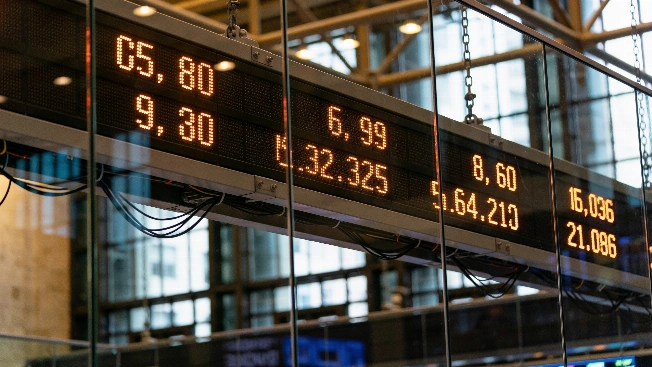
How long it takes for the stock market to recover after big drops
Market crashes of 30% or more have hit about once a decade, but since 1957, the S&P 500 has usually taken just over four years to recover. Recovery times have ranged from six months to more than seven years.
Tech bets push VUG past IWO in growth ETF face-off
VUG's rock-bottom 0.03% fee and heavy tech exposure have driven bigger five-year gains than IWO. But those big bets mean sharper risk if the AI surge cools. IWO, focused on small caps, spreads risk wider but costs more.
Two ETFs give investors broad market reach without the hassle
With just two ETFs-VTI and VXUS-investors can own thousands of U.S. and international stocks. This helps spread risk by company size, sector, and geography, all without picking individual stocks.

AI Stock Surge Sets Stage for Market Reset
AI-driven stocks have powered most recent market gains but their dominance has left portfolios exposed to sector risk and set up a potential shift toward broader diversification

Why Bad News Can Be Good for Patient Investors
Market downturns often trigger fear and selling, but historical data shows that buying during corrections has led to strong returns for long-term investors willing to withstand volatility

Diversification shields investors from single stock risk
Relying on one stock or sector can expose your portfolio to steep losses while a diversified approach has delivered strong long-term gains for investors in broad funds and disciplined stock pickers alike
Why I Am Buying Internatiaonal Stocks With Vanguard VXUS
With US stock valuations stretched and AI-driven gains dominating headlines, some investors are turning to the Vanguard Total International Stock ETF for broader exposure and lower costs. Here is what sets VXUS apart
Why I Keep Buying the Vanguard Morningstar Total Stock Market ETF
Vanguard Morningstar Total Stock Market ETF offers exposure to over 3,500 U.S. stocks with a 0.03% expense ratio and has outperformed the S&P 500's long-term average over the past decade, but investors should weigh diversification against market risk

How Israel Englander's Millennium Management Operates as a Classic Hedge Fund
Millennium Management runs 340 trading teams making millions of trades daily, using advanced risk controls and arbitrage. While retail investors can't replicate this scale, diversified portfolios remain a proven path to long-term gains
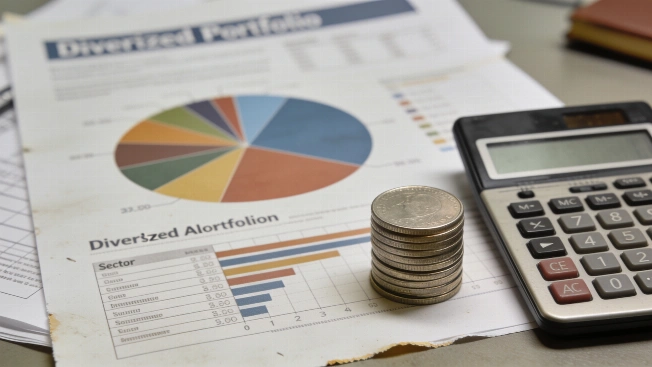
3 Ways to Tell if Your Portfolio Is Ready for a Bear Market
With the S&P 500 at record highs, investors face the risk of a sudden downturn. Learn how diversification, stock quality, and your own financial stability can help protect your portfolio if markets reverse
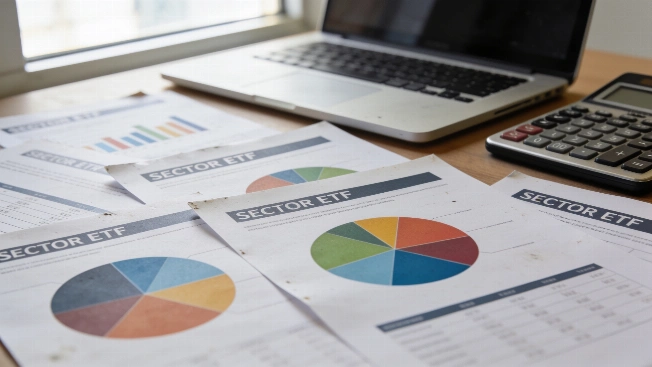
Sector ETFs Often Aren't as Diversified as They Seem
Many sector ETFs appear diversified but are heavily weighted toward just a few large companies, exposing investors to concentration risk that may not match their expectations for broad sector exposure
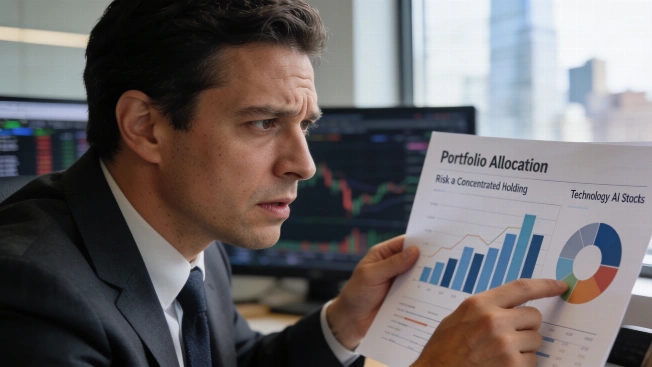
Steve Eisman Warns About Lack of True Diversification in AI-Heavy Markets
Steve Eisman urges investors to look beyond popular index funds as tech and AI stocks dominate major benchmarks, warning that hidden concentration risk could leave portfolios exposed if the sector stumbles

How to Prepare Your Portfolio for a Recession
With inflation at 3.5% and the Federal Reserve signaling more rate hikes, investors face renewed recession risk. Learn how to build a cash buffer, maintain diversification, and keep your investment plan on track during market volatility

3 Things Every Successful Passive Income Investor Has in Common
Passive income investors who focus on long-term holding, regular investment schedules, and broad diversification can build more resilient portfolios and reduce the risk of major losses from market swings or company-specific setbacks

Should You Dump Your S&P 500 ETF Before a Market Crash?
Selling an S&P 500 ETF during a downturn can lock in losses, but holding through volatility may offer better long-term results for investors with time to recover from market swings
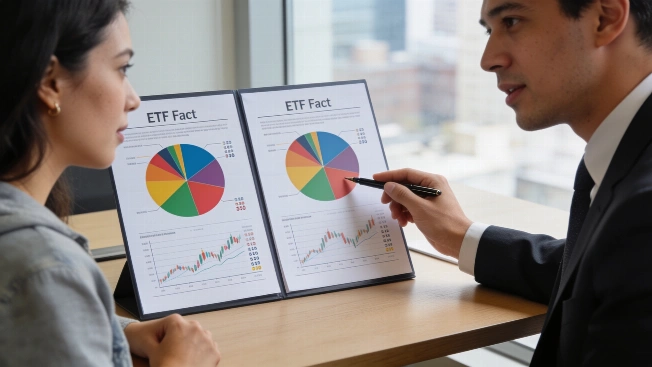
Invesco S&P SmallCap 600 Revenue ETF vs. State Street SPDR S&P 600 Small Cap Growth ETF: Key Differences and Investor Considerations
RZG and SLYG both target small-cap growth stocks, but differ sharply in fees, diversification, and risk. See how their expense ratios, sector weights, and recent returns stack up before choosing a fund for your portfolio