
Personal Finance - Page 4
222 articles
How to Prepare Your Portfolio for a Recession
With inflation at 3.5% and the Federal Reserve signaling more rate hikes, investors face renewed recession risk. Learn how to build a cash buffer, maintain diversification, and keep your investment plan on track during market volatility

30-Year Treasury Bond Yields Jump Following Fed Chair Kevin Warsh's News Conference
Long-term Treasury yields spiked to 5.23% after Federal Reserve Chair Kevin Warsh's latest remarks, raising questions about the Fed's inflation strategy and putting pressure on bond investors to reconsider risk and duration

Buffalo Niagara homeowners keep mortgage debt in check
Buffalo Niagara borrowers are not overextending on home loans, suggesting many households are keeping debt manageable even as higher borrowing costs and household expenses test budgets

Major Food Cities That Also Work for Retirement
Retirees seeking vibrant dining scenes and strong community amenities may find value in cities where restaurant density, walkability, and local culture align with practical retirement needs

Till debt do us part: 78% of Americans say a partner with debt is a dating dealbreaker
A new survey finds that 78% of Americans consider a partner's short-term debt a dealbreaker for dating, with nearly half unwilling to accept $25,000 or more and most expecting open conversations about debt within six months

Housing Debt Declines With Age, But Doesn't Vanish
Many Americans enter retirement still owing over $100,000 on their homes, forcing them to balance mortgage payments with reduced income and rising healthcare costs as they age

How Much Should Parents Save in an Emergency Fund?
Parents face higher odds of unexpected expenses, from medical bills to childcare gaps. Learn how to size your emergency fund, what costs to consider, and practical strategies to build savings even on a tight budget

How Parenthood Changes Household Finances and Retirement Priorities
Raising children can consume up to 19% of household income, forcing many parents to cut back on retirement savings just as early investing matters most. Learn how to balance immediate family costs with long-term financial security

What 40-Somethings' Portfolios Really Look Like
A significant share of Americans in their 40s have little or no retirement savings, with median financial assets well below expert benchmarks-raising questions about how this generation will fund their future needs

Americans Say You Need $2.3 Million to Be Wealthy, But It's More Than Income
A new survey finds Americans believe $2.3 million is the threshold for wealth, but factors like debt, net worth, and retirement savings play a bigger role in financial security than income alone

Building a $1 Million Retirement Fund with $500 Monthly Investments
Consistently investing $500 a month in a low-cost stock market ETF could grow to over $1 million in 30 years, but actual results depend on market returns, contribution discipline, and realistic expectations about risk and volatility

Warren Buffett's Most Recommended ETF: The S&P 500 ETF
Warren Buffett's endorsement of S&P 500 ETFs highlights how consistent, diversified investing-even in modest monthly amounts-can build substantial wealth over decades, but investors should weigh the trade-offs between stability and higher-risk alternatives

Why Social Security Benefits Could Fall by 22%
With Social Security's main trust fund now projected to run out in late 2032, retirees could see a 22% cut in benefits unless Congress acts, forcing many to save an extra $130,000 to maintain their standard of living

Fed Faces Historic Test as Rate Hike Odds Defy Market Signals
The Federal Reserve could break a 32-year pattern if it raises rates with less than 60% market expectation, putting its credibility and borrowers' costs in the spotlight as inflation and oil prices complicate the outlook

IPO Wealth: J.P. Morgan Warns Founders to Plan Before Cashing Out
As the 2026 IPO wave accelerates, employees and founders could see their net worth soar overnight. But J.P. Morgan says a disciplined plan-not a quick sale-may be the most important first step to protect new wealth and avoid costly mistakes

How IRMAA Can Add Thousands to Your Medicare Costs in Retirement
Many retirees are surprised by Medicare surcharges tied to income from two years prior, with some couples facing nearly $12,000 in extra annual costs. Learn how IRMAA works, who is affected, and what steps may help reduce the impact

Top Retirement Destinations in Africa for Affordability and Quality of Life
Retirees with at least $2,000 in monthly income are exploring African countries like Kenya, South Africa, Ghana, and Mauritius for lower living costs, accessible private healthcare, and residency programs that can stretch retirement savings

Amarillo: An Affordable and Comfortable Retirement Destination
With home values averaging $208,517 and no state income tax, Amarillo stands out for retirees seeking lower housing costs, manageable living expenses, and accessible healthcare in Texas

How Much You Need to Invest for $1,000 Monthly in SCHD
The Schwab U.S. Dividend Equity ETF draws attention for its steady payouts, but earning $1,000 a month in dividends requires a sizable investment and comes with important trade-offs for income-focused investors
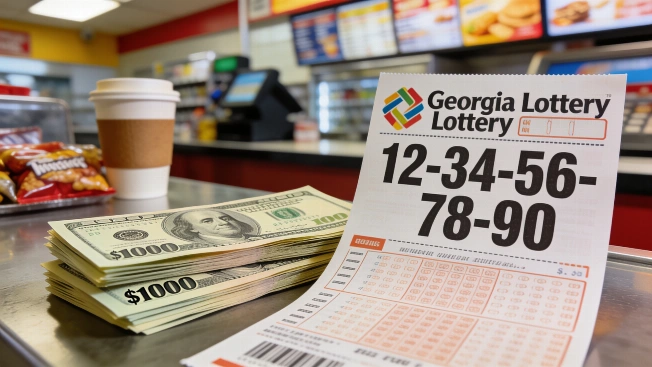
Georgia Lottery Winners Claim $2 Million and $150,000 Prizes in July
A Georgia Lottery ticket sold in Martinez delivered a $2 million windfall, while a Fantasy 5 player in Sylvania matched all five numbers for $150,000. These wins highlight the unpredictable but real financial impact of lottery games

How Consistent ETF Investing Could Add Up to $1 Million
Vanguard's Russell 1000 Growth ETF has outperformed the S&P 500 over 15 years. See how steady contributions and compounding-not stock picking-can drive long-term results, and what risks come with tech-heavy funds like VONG

The Federal Reserve's Interest Rate Decision: What Investors Should Know
With the Federal Reserve expected to hold rates steady at 3.5%-3.75%, investors face a familiar dilemma: inflation remains high, but a rate hike could further strain the economy. Here's what's at stake for long-term portfolios and market stability

Average Net Worth of Baby Boomers
Baby boomers hold over half of U.S. household wealth, but the typical boomer's net worth is far below the average, with most assets locked in home equity and retirement accounts rather than accessible cash

When 401(k) Balances Peak: How Retirement Savings Change From Your 20s to 80
Median 401(k) balances more than double each decade from your 20s to 50s, but typically decline in your 60s and 70s as withdrawals and rollovers begin-reflecting the shift from saving to spending in retirement

Why Your Retirement Contribution Rate Matters More Than Most People Realize
Many Americans contribute less than 10% of their income to retirement plans, but even a 1% increase early in your career can add tens of thousands of dollars to your nest egg by retirement

Your Wealth Depends on the Stock Market More Than Ever
Americans age 75 and older face shrinking retirement account balances, with just 42% holding personal savings and most relying on Social Security and pensions to cover expenses as traditional income sources shift in retirement

Robert Kiyosaki Buys Gold and Silver After Sharp Price Drop
Gold and silver prices have tumbled in 2026, testing investors' nerves as rising interest rates and policy uncertainty drive volatility. Robert Kiyosaki is buying the dip, but most retail investors are left questioning their risk tolerance

Small Cities Offer Affordable and Balanced Retirement Options
Retirees seeking lower housing costs and manageable daily expenses are increasingly looking to small U.S. cities, where home prices and taxes can be significantly below national averages but trade-offs in transportation and specialized healthcare remain

How Emotional Cycles Shape Financial Decisions in High-Stress Times
Emotional fatigue and unresolved conflict can drive financial choices, especially after prolonged stress. Understanding how cycles of anger and relief affect decision-making may help households avoid costly mistakes

Is College Worth It? How Education Impacts Net Worth and Asset Ownership
Federal Reserve data shows U.S. households led by college graduates hold a median net worth over four times higher than those with only a high school diploma, with significant gaps in home values, retirement savings, and stock ownership

JPMorgan Equity Premium Income ETF: A Reliable Income Option for Retirees
The JPMorgan Equity Premium Income ETF (JEPI) offers retirees a way to generate monthly income by combining dividend stocks with options strategies, but its approach can limit upside and carries unique risks that investors should weigh carefully

Could a $50,000 Investment in the S&P 500 Grow to $1 Million?
A $50,000 lump-sum investment in an S&P 500 index fund could potentially reach $1 million over several decades, but the outcome depends on future market returns, compounding, and the investor's time horizon

Why SEC Mutual Fund Standards Matter for Retirement Investors
Retirement plan fiduciaries face growing pressure to evaluate investment performance, but not all funds are held to the same standards. Here's what makes SEC mutual fund reporting uniquely reliable-and why it matters for your 401(k)

Vanguard ETFs Offer Investors a Way Out of S&P 500 Concentration
The S&P 500's top 10 stocks now account for over 40% of its value, raising new risks for investors who rely on the index for diversification. Vanguard's small-cap and international ETFs may offer broader exposure and lower concentration risk

The Schwab U.S. Dividend Equity ETF: A Long-Term Income Generator
With a 3.3% yield and a focus on high-quality dividend stocks, the Schwab U.S. Dividend Equity ETF offers investors a way to build growing income streams over time-if they reinvest and stay patient through market cycles

Vanguard Russell 1000 Growth ETF Could Make You a Millionaire
Investing $100 a month in the Vanguard Russell 1000 Growth ETF over 30 years could potentially grow to nearly $1.2 million, but the outcome depends on market performance, risk tolerance, and consistent contributions
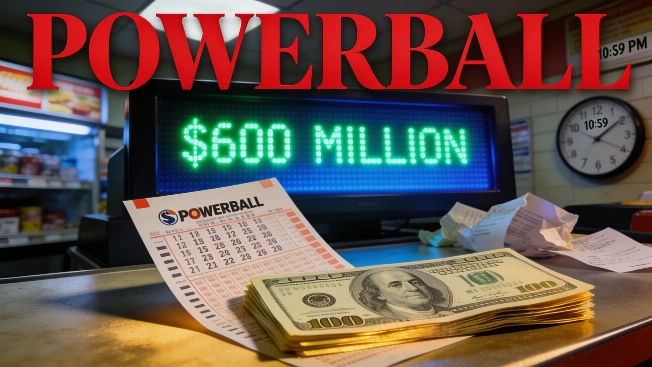
Powerball Jackpot Hits $600 Million as Odds and Risks Mount
The Powerball jackpot has surged to $600 million for the July 25 drawing, with a $262.8 million cash option. As ticket sales climb, players face steep odds and state-by-state deadlines that could affect last-minute buyers

Avoid This Costly Mistake as a Beginner Investor in 2026
Missing just a handful of the stock market's best days can erase decades of gains, yet many new investors still try to time the market. Here's why frequent trading can undermine your long-term returns and what to do instead

Making Sense of Modern Crypto
Many Americans regret not saving enough for retirement as longer lifespans and rising healthcare costs strain personal finances. Early, consistent contributions-even small ones-can significantly improve future security

Roth IRAs See Fewer Owners but More Active Contributions Than Traditional IRAs
While only about 25% of U.S. households own a Roth IRA, twice as many taxpayers contribute to Roths each year compared to traditional IRAs, with younger savers especially drawn to their tax-free withdrawal benefits
Page 4 by 6